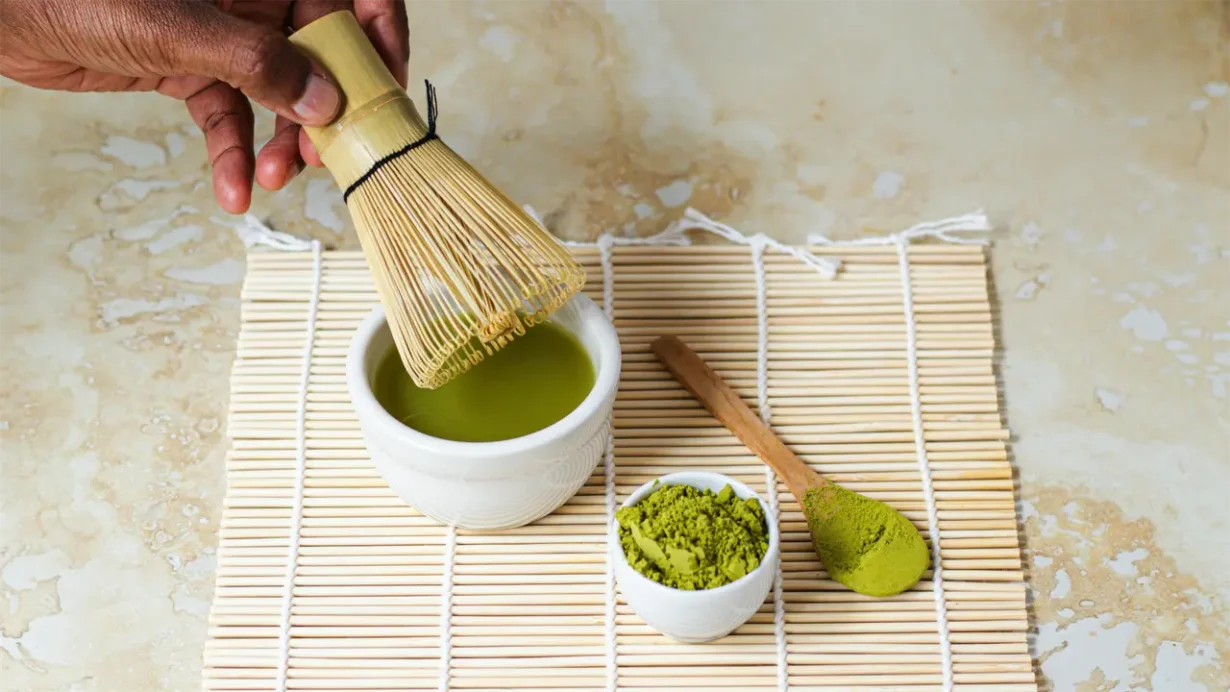
A1 Level – Elementary
1. Do you drink tea?
2. What is a green color?
3. Do you like sweet drinks?
4. What is a hot liquid?
5. Do you know Japan?
6. What is a morning routine?
7. Do you use a small bowl?
8. What is a calm feeling?
9. Do you think matcha is healthy?
10. What is a special powder?
11. Do you like a slightly bitter taste?
12. What is a wooden whisk?
13. Do you buy coffee?
14. What are three things matcha is made of?
15. Do you think matcha is popular?
A2 Level – Pre-Intermediate
1. What is the difference between matcha and normal green tea?
2. Why does matcha have such a bright green color?
3. What are the good things and bad things about drinking caffeine?
4. How can people make a good matcha latte at home?
5. Should all coffee shops offer matcha drinks?
6. Why is the preparation of matcha a ceremony in Japan?
7. Do you think matcha provides energy differently than coffee?
8. What is the purpose of whisking the powder?
9. How does the global trend of matcha affect the price?
10. What is the difference between a traditional bowl and a modern cup?
11. Do you think matcha is a difficult taste to like?
12. What are the problems when the powder is low quality?
13. When is the best time of day to drink matcha?
14. What are two health benefits of matcha?
15. How does the popularity of matcha change other food and drinks?
B1 Level – Intermediate
1. What are the rules for politely taking part in a Japanese tea ceremony?
2. How does the growing popularity of matcha affect the farming in Japan?
3. Should the government set standards for the quality of matcha sold in stores?
4. What is the difference between matcha as a drink and matcha as an ingredient in food?
5. Do you believe that matcha is a passing trend or a long-term popular drink?
6. What are the challenges of making a perfectly smooth, non-clumpy matcha drink?
7. How does the focus on quick consumption affect the appreciation for the traditional method?
8. What is the idea of “umami” taste in matcha?
9. Is it fair or unfair when some people judge others for preferring coffee over matcha?
10. How does a lack of knowledge about preparation affect the taste of the drink?
11. What are the steps for properly storing matcha powder to keep it fresh?
12. What is the value of spending time on a slow, ritualistic preparation?
13. Should public media promote matcha as a healthier alternative to coffee?
14. What are the reasons why some people feel anxious after drinking matcha?
15. How does the ritual of the tea ceremony reflect Japanese cultural values?
B2 Level – Upper-Intermediate
1. What are the social pressures to drink trendy beverages like matcha?
2. What are the moral problems when companies market low-quality matcha as high-quality?
3. How does constant social media sharing of beautiful matcha drinks affect the simple enjoyment of the taste?
4. Should cafes be legally required to provide information about the origin of their matcha?
5. Analyze the psychological effect of engaging in a calming, repetitive ritual like whisking matcha.
6. Who is responsible for promoting the authenticity of the traditional matcha preparation method?
7. What is your view on the practice of adding a lot of sugar and syrup to matcha drinks?
8. Evaluate the role of celebrity endorsements in increasing the global demand for matcha.
9. How does the global demand affect the sustainability and cost of the tea farms?
10. Discuss the concept of “cultural commodification” in the context of the matcha trend.
11. What are the problems with having very different expectations for taste and bitterness in one drink?
12. What are the legal differences between a health claim and a scientifically proven benefit of matcha?
13. Do you agree that the purpose of matcha’s popularity is mainly its aesthetic (photogenic) quality?
14. What steps should be taken to ensure that the health benefits of matcha are not overstated?
15. How does the use of specialized tools (whisk, sifter) make the drink more valued?
C1 Level – Advanced
1. Is it fair that the cost of high-quality, ceremonial grade matcha is prohibitive for most consumers?
2. What is the right way to think about a company’s moral duty to protect the traditional farming methods?
3. How do the platform’s algorithms influence the type of matcha-related recipes and content that become viral?
4. When should the government consider mandatory labeling for the use of artificial color in matcha products?
5. What are the moral questions when we talk about large companies taking over traditional tea farming land?
6. How does the focus on quick consumption affect the long-term, necessary investment in sustainable tea farming?
7. Discuss the impact of climate change on the future ability to grow high-quality matcha.
8. How should leaders use the popularity of matcha to promote cultural exchange and understanding?
9. What is the idea of “terroir” (the natural environment) and its impact on matcha quality?
10. What are the long-term effects on society when fewer people have time for slow, mindful rituals?
11. What are the difficulties when courts try to decide if a company is falsely claiming to sell “ceremonial grade” matcha?
12. How does the search for total convenience conflict with the need for traditional, slow preparation?
13. Do you agree that the most important thing is the deep cultural history of the tea, not its modern health claims?
14. What are the simple moral rules a person should follow when buying matcha that is sourced from overseas?
15. Should the government set a legal minimum for the amount of time required for a traditional tea ceremony?
C2 Level – Proficiency
1. What is the real difference between a person’s desire for a calm moment and the ritualistic performance of the tea ceremony?
2. Debate the idea: Should we completely eliminate the use of traditional Japanese terms for commercial marketing?
3. How does the concept of “authenticity” change when a traditional product becomes a global trend?
4. What laws or rules are needed to control how technology platforms use images of matcha to promote unrealistic health claims?
5. How do historical views of Zen Buddhism and ritual affect modern consumer engagement with matcha?
6. How can communities maintain the integrity of their traditional food/drink when global demand changes farming practices?
7. Argue the point that humans should stop all attempts to control the price and supply of matcha and let the market decide.
8. What protection should laws give to traditional tea masters whose knowledge is copied and commercialized?
9. How can we stop the problem of using the argument of “health” to mask poor farming or production standards?
10. What did old thinkers say about ritual, contemplation, and the value of non-verbal communication that is still important today?
11. What will happen to the need for human tea masters if AI can perfectly replicate the ideal matcha preparation?
12. How do people use the idea of “cultural exchange” to avoid discussing the commercial exploitation of tradition?
13. How does the experience of a simple, perfect cup of matcha improve a person’s understanding of balance?
14. What is the power of a collective movement to demand that the price of matcha fairly reflect the labor of farmers?
15. If scientists could create a perfect, synthetic copy of matcha, how would that fundamentally change the value of the natural product?