A1 Level – Elementary
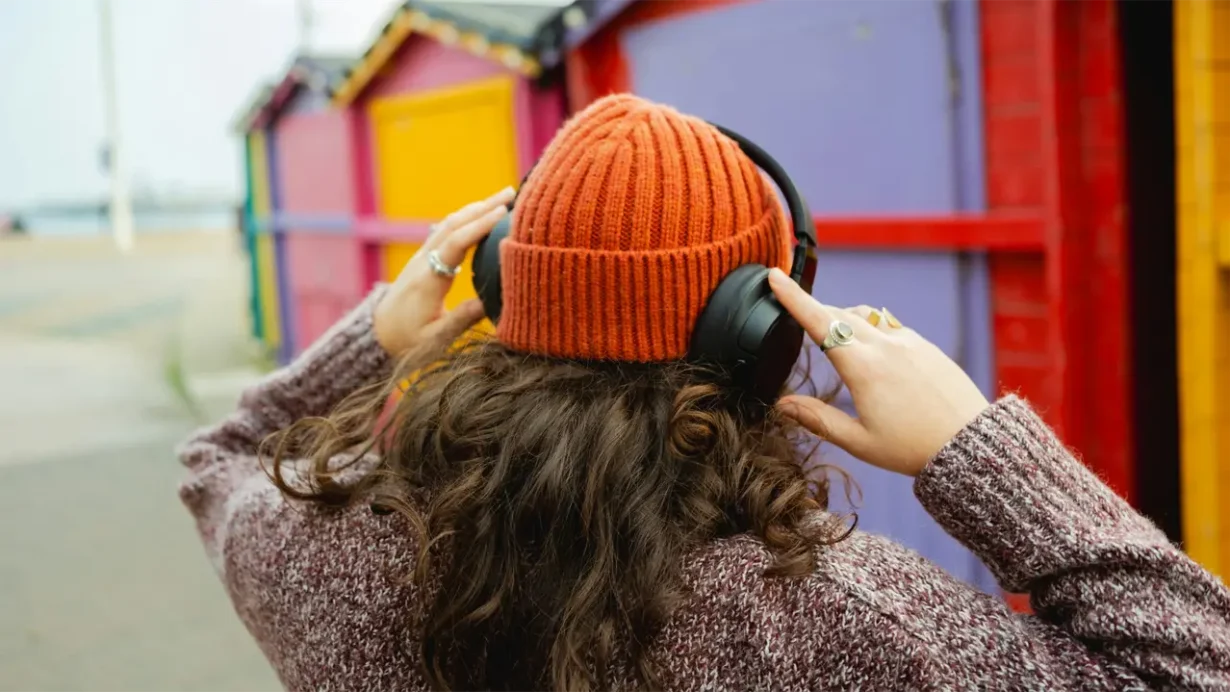
1. Do you use headphones?
2. What is a loud sound?
3. Do you like listening to music in public?
4. What is a long wire?
5. Do you think silence is important?
6. What is a simple song?
7. Do you worry about hearing loss?
8. What is a good quality?
9. Do you think people should take them off when talking?
10. What is a clear voice?
11. Do you use noise cancellation?
12. What is a quiet place?
13. Do you like simple devices?
14. What are three places you use headphones?
15. Do you think listening is a private thing?
A2 Level – Pre-Intermediate
1. What is the difference between earbuds and over-ear headphones?
2. Why did wireless headphones become so popular?
3. What are the good things and bad things about high volume?
4. How can a person politely get someone’s attention when they wear headphones?
5. Should all public transport ban loud music from headphones?
6. Why is it important to pay attention when walking in the city?
7. Do you think headphones make people less social?
8. What is the purpose of noise cancellation?
9. How does technology change personal space?
10. What is the difference between active and passive listening?
11. Do you think people wear them just to avoid talking?
12. What are the problems when people use them while driving?
13. When is the best time to clean your headphones?
14. What are two things that make a pair of headphones good?
15. How does a lack of awareness affect safety?
B1 Level – Intermediate
1. What are the simple ways to politely tell a co-worker their music is leaking?
2. How does the cost of good headphones affect accessibility?
3. Should the government provide resources to educate on safe volume levels?
4. What is the difference between using headphones for work and for pleasure?
5. Do you believe that headphones help people focus better?
6. What are the challenges of finding comfortable headphones for long use?
7. How does focusing on sound quality affect the price?
8. What is the idea of “sound leakage”?
9. Is it fair when a person is ignored because they are wearing headphones?
10. How does a lack of clear rules affect public courtesy?
11. What are the basic steps for using them safely in a dangerous area?
12. What is the value of creating a private sound world in a noisy place?
13. Should the news talk more about the problem of hearing loss?
14. What are the simple reasons why some people prefer speakers?
15. How does the history of portable music affect modern habits?
B2 Level – Upper-Intermediate
1. What are the simple social problems caused by constant headphone use?
2. What are the ethical issues when companies design products for high volume?
3. How does constant social media showing of expensive headphones affect desires?
4. Should companies be legally required to limit the maximum volume?
5. How does the feeling of privacy affect public interaction?
6. Who is responsible for educating people on headphone etiquette?
7. What is your simple view on the practice of wearing them during a conversation?
8. What is the role of technology in automating safe volume levels?
9. How does the problem of being disconnected affect public safety awareness?
10. What are the clear problems with allowing people to hide their audio use?
11. What are the legal differences between general public annoyance and noise pollution?
12. Do you think the main purpose of headphones is to improve concentration?
13. What steps can community groups take to promote safe listening?
14. How does the lack of awareness affect communication with strangers?
15. What are the simple psychological effects of a sudden quiet environment?
C1 Level – Advanced
1. Is it fair that the cost of good noise cancellation technology is so high?
2. What is the moral duty of a society to protect the public from noise?
3. How do global trends affect the acceptance of constant headphone use?
4. When should the government consider mandatory volume limits on all devices?
5. What are the simple ethical problems of companies profiting from a lack of silence?
6. How does focusing on isolation affect the need for social engagement?
7. Discuss the effects of long-term high-volume use on communication skills.
8. How should leaders use public planning to create quiet zones?
9. What is the idea of “auditory masking”?
10. What are the long-term social effects when a whole generation avoids public sound?
11. What are the clear difficulties when courts try to decide if a lack of sound caused an accident?
12. How does the desire for personal space affect the need for public openness?
13. Do you think the most important thing is the preservation of public courtesy?
14. What are the simple moral rules a person should follow when using them in public?
15. Should the government set a clear standard for safe headphone usage?
C2 Level – Proficiency
1. What is the true difference between a manufactured silence and natural quiet?
2. Should we eliminate the system that creates so much public noise pollution?
3. How does the idea of communication change when people are constantly isolated?
4. What laws are needed to prevent major corporate disregard for hearing safety?
5. How do historical views of sound, silence, and community affect modern habits?
6. How can a society ensure that empathy is shown to people with hearing issues?
7. Do you think total silence in public would increase social interaction?
8. What simple rules should guide people when they are in a shared space?
9. How can we stop people from using personal choice as an excuse for harmful habits?
10. What did old thinkers say about listening, focus, and human connection?
11. What will happen to the need for human conversation if AI manages all audio?
12. How do people use the idea of “I’m focusing” to avoid discussing social duty?
13. How does the experience of a major noise event change a person’s tolerance?
14. What is the power of a group to demand better public sound control?
15. If scientists could create a perfect, non-isolating audio bubble, what would happen?