A1 Level – Elementary
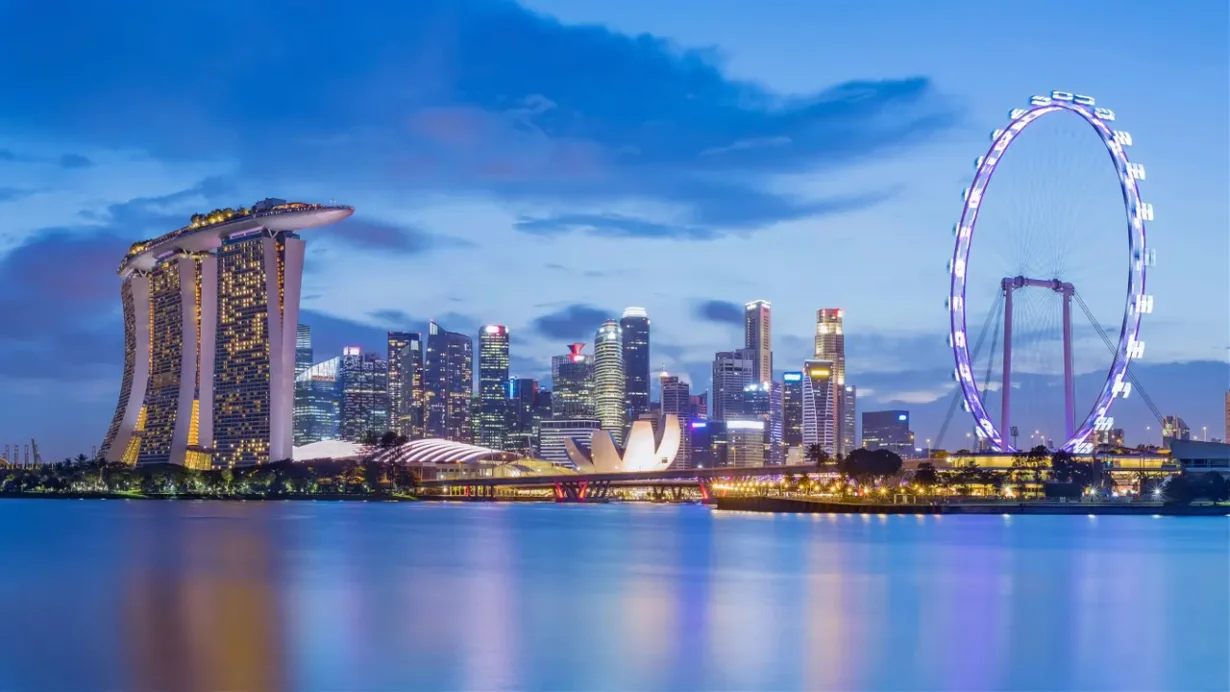
1. Do you know Singapore?
2. What is a clean city?
3. Do you like a hot climate?
4. What is a big airport?
5. Do you think the rules are too strict?
6. What is a tall building?
7. Do you worry about forgetting a rule?
8. What is a safe country?
9. Do you think diversity is good?
10. What is a famous garden?
11. Do you like modern design?
12. What is a high cost?
13. Do you like simple laws?
14. What are three things Singapore is famous for?
15. Do you think it is a good place to live?
A2 Level – Pre-Intermediate
1. What is the difference between a city and a city-state?
2. Why is Singapore known for its strict cleanliness?
3. What are the good things and bad things about high government control?
4. How can a tourist ensure they follow all the rules?
5. Should all cities adopt strict littering laws?
6. Why is it important to understand the cultural mix?
7. Do you think the government is too involved in daily life?
8. What is the purpose of the high cost of car ownership?
9. How does technology change city management?
10. What is the difference between public housing and private property?
11. Do you think the high cost of living affects the middle class?
12. What are the problems when people talk loudly on public transport?
13. When is the best time to visit to avoid heavy rain?
14. What are two things that make the city efficient?
15. How does a lack of space affect housing design?
B1 Level – Intermediate
1. What are the simple ways to politely ask a local about their cultural background?
2. How does the economy affect social equality?
3. Should the government provide resources to promote cultural understanding?
4. What is the difference between a simple fine and a serious punishment?
5. Do you believe that strict rules are necessary for a high-functioning city?
6. What are the challenges of remaining unique in a globalized city?
7. How does focusing on economic growth affect personal freedom?
8. What is the idea of “meritocracy”?
9. Is it fair when a person is criticized for breaking a small rule?
10. How does a lack of open debate affect political decision-making?
11. What are the basic steps for using the public transport system?
12. What is the value of high efficiency in daily life?
13. Should the news talk more about the social costs of fast growth?
14. What are the simple reasons why some people find the city sterile?
15. How does the history of colonialism affect modern identity?
B2 Level – Upper-Intermediate
1. What are the simple social problems caused by high pressure to succeed?
2. What are the ethical issues when companies use excessive surveillance?
3. How does constant social media showing of luxury affect public expectations?
4. Should the government be legally required to provide equal opportunities for all races?
5. How does the feeling of safety affect personal behavior in public?
6. Who is responsible for educating tourists on local laws and penalties?
7. What is your simple view on the practice of high government control over media?
8. What is the role of technology in automating public services and traffic?
9. How does the problem of high property values affect young workers?
10. What are the clear problems with allowing people to hide their intent?
11. What are the legal differences between general public order and censorship?
12. Do you think the main purpose of the city is economic prosperity?
13. What steps can individual citizens take to promote open dialogue?
14. How does the lack of clear debate affect political participation?
15. What are the simple psychological effects of living in a highly structured society?
C1 Level – Advanced
1. Is it fair that the most necessary low-skill jobs are often done by foreigners?
2. What is the moral duty of a society to address the cost of living crisis?
3. How do global trade agreements affect the stability of the economy?
4. When should the government consider mandatory limits on land sales to foreigners?
5. What are the simple ethical problems of companies prioritizing growth over environmental cost?
6. How does focusing on efficiency affect the need for spontaneous culture?
7. Discuss the effects of long-term pressure to succeed on mental health.
8. How should leaders use policy to promote a strong sense of community?
9. What is the idea of “soft authoritarianism”?
10. What are the long-term social effects when a whole generation feels economic pressure?
11. What are the clear difficulties when courts try to decide if a law is too restrictive?
12. How does the desire for order affect the need for personal freedom?
13. Do you think the most important thing is the preservation of political stability?
14. What are the simple moral rules a person should follow when dealing with cultural difference?
15. Should the government set a clear standard for ethical urban planning?
C2 Level – Proficiency
1. What is the true difference between effective governance and excessive control?
2. Should we eliminate the system that allows for massive economic pressure?
3. How does the idea of national identity change with high immigration rates?
4. What laws are needed to prevent major corporate disregard for worker rights?
5. How do historical views of merit, duty, and authority affect modern life?
6. How can a society ensure that empathy is shown to the marginalized workers?
7. Do you think total removal of all strict laws would fix social problems?
8. What simple rules should guide people when they encounter complex social pressure?
9. How can we stop people from using personal choice as an excuse for poor habits?
10. What did old thinkers say about public virtue, efficiency, and the ideal city?
11. What will happen to the need for human control if AI manages all city operations?
12. How do people use the idea of “efficiency” to avoid discussing social cost?
13. How does the experience of a major economic shift change a person’s view of the government?
14. What is the power of a group to demand better civil liberties?
15. If scientists could create a perfect, harmonious, and free city, what would happen?