

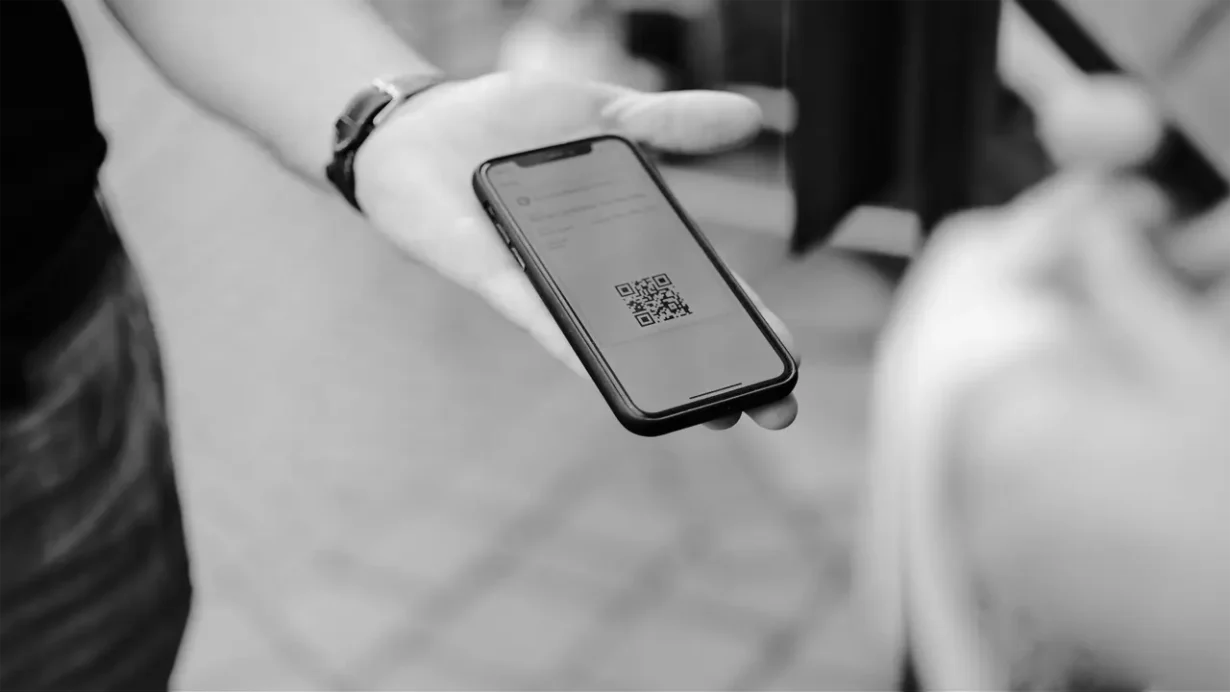
A1 Level – Elementary
1. Do you use the black squares on paper?
2. What is a quick scan?
3. Do you like simple technology?
4. What is a fast link?
5. Do you think they are helpful?
6. What is a confusing code?
7. Do you worry about scanning a bad code?
8. What is a clear picture?
9. Do you think phones are good at reading them?
10. What is a simple menu?
11. Do you like fast payments?
12. What is a clear instruction?
13. Do you like simple access?
14. What are three places you see QR codes?
15. Do you think they will last?
A2 Level – Pre-Intermediate
1. What is the difference between a QR code and a regular barcode?
2. Why are they popular in restaurants now?
3. What are the good things and bad things about high-speed data transfer?
4. How can a person politely ask for a physical menu instead?
5. Should all public transport use them for ticket checking?
6. Why is it important to check the source before scanning?
7. Do you think they make life easier or harder?
8. What is the purpose of the three squares in the corners?
9. How does using them affect the speed of daily tasks?
10. What is the difference between a simple link and a payment link?
11. Do you think they reduce paper waste?
12. What are the problems when the code is damaged or dirty?
13. When is the best time to check your payment security settings?
14. What are two things that make a code useful?
15. How does a lack of clear labeling affect safety?
B1 Level – Intermediate
1. What are the simple ways to politely ask for help when a code won’t scan?
2. How does the cost of printing affect their popular use?
3. Should the government provide resources to educate on digital security?
4. What is the difference between a secure payment code and a public advertisement?
5. Do you believe that they should replace physical menus completely?
6. What are the challenges of using them without a smartphone?
7. How does focusing on convenience affect the need for security?
8. What is the idea of “phishing”?
9. Is it fair when a person is judged for not knowing how to use them?
10. How does a lack of knowledge affect the risk of scanning a bad code?
11. What are the basic steps for creating a simple code for a website?
12. What is the value of quick, contactless information sharing?
13. Should the news talk more about the security risks?
14. What are the simple reasons why some people prefer physical copies?
15. How does the history of barcodes affect modern logistics?
B2 Level – Upper-Intermediate
1. What are the simple social problems caused by demanding quick digital access?
2. What are the ethical issues when companies use them to track location?
3. How does constant digital scanning affect the expectation for instant results?
4. Should companies be legally required to label the destination of the code?
5. How does the feeling of urgency affect scanning unknown codes?
6. Who is responsible for educating the public on safe usage?
7. What is your simple view on the practice of using them for high-security access?
8. What is the role of technology in encrypting data within the code?
9. How does the problem of visual similarity affect security risks?
10. What are the clear problems with allowing people to hide their intent?
11. What are the legal differences between general scanning and data theft?
12. Do you think the main purpose of the code is to bridge physical and digital?
13. What steps can individual citizens take to check a code’s safety?
14. How does the lack of clear rules affect public usage and privacy?
15. What are the simple psychological effects of a successfully fast transaction?
C1 Level – Advanced
1. Is it fair that people without smartphones are excluded from some services?
2. What is the moral duty of a society to address digital exclusion?
3. How do global standards affect the compatibility of different codes?
4. When should the government consider mandatory security protocols for public codes?
5. What are the simple ethical problems of companies profiting from low digital literacy?
6. How does focusing on speed affect the need for data protection?
7. Discuss the effects of long-term reliance on digital-only information sharing.
8. How should leaders use policy to promote both efficiency and security?
9. What is the idea of “contactless society”?
10. What are the long-term social effects when most daily tasks require a phone?
11. What are the clear difficulties when courts try to decide if a code was tampered with?
12. How does the desire for convenience affect the need for security precautions?
13. Do you think the most important thing is the preservation of data privacy?
14. What are the simple moral rules a person should follow when creating a public code?
15. Should the government set a clear standard for digital access for all?
C2 Level – Proficiency
1. What is the true difference between a manufactured convenience and a necessary bridge?
2. Should we eliminate the system that allows for massive data collection?
3. How does the idea of anonymity change when all actions are traceable?
4. What laws are needed to prevent major corporate disregard for consumer privacy?
5. How do historical views of commerce, information, and control affect modern tech?
6. How can a society ensure that empathy is shown to people with digital phobia?
7. Do you think total removal of all digital tools would fix social problems?
8. What simple rules should guide people when they encounter complex digital systems?
9. How can we stop people from using personal choice as an excuse for poor habits?
10. What did old thinkers say about knowledge, control, and public records?
11. What will happen to the need for physical documents if AI digitizes everything?
12. How do people use the idea of “efficiency” to avoid discussing privacy?
13. How does the experience of a major data breach change a person’s view of codes?
14. What is the power of a group to demand better digital security?
15. If scientists could create a perfect, safe, universal digital identifier, what would happen?