

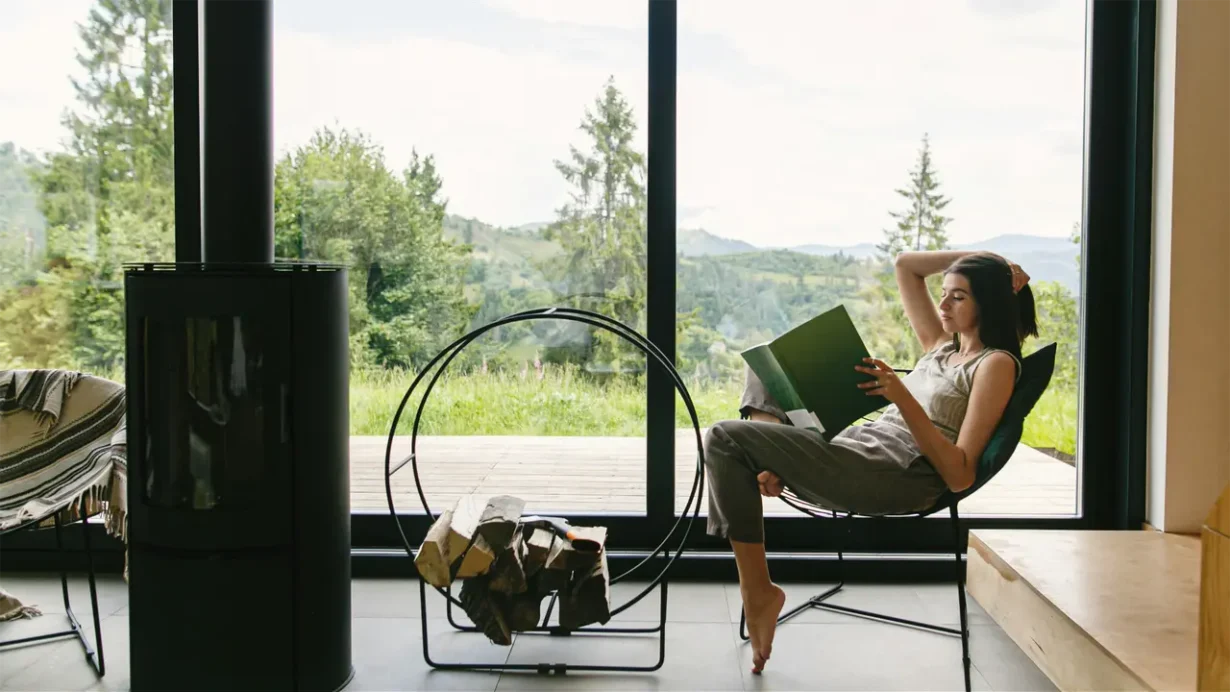
How people really spend their free time. Honest answers only.
A1 Level – Elementary
1. What is your favorite way to relax?
2. Do you have enough free time?
3. Do you like quiet or active hobbies?
4. What do you do on the weekend?
5. What is the difference between work and leisure?
6. Do you like watching sports for fun?
7. What makes a day feel restful?
8. Do you think hobbies are important?
9. What is a common way to spend time with family?
10. What time of day is best for relaxing?
11. Do you use your phone during leisure time?
12. What makes you feel bored?
13. What is the opposite of busy?
14. What are some free leisure activities?
15. What makes you feel energized?
A2 Level – Pre-Intermediate
1. What are the key differences between passive leisure (watching TV) and active leisure (a hobby)?
2. Describe your ideal weekend devoted entirely to leisure activities.
3. What are the pros and cons of having a strict schedule for your free time?
4. What role does leisure time play in improving your mental health?
5. Have you ever been criticized for spending too much time on a leisure activity?
6. What kind of social activities qualify as both leisure and exercise?
7. What is the difference between a simple rest and a restorative leisure activity?
8. What are common leisure activities that have become expensive recently?
9. How does technology (e.g., streaming services) change how people consume leisure?
10. What are the biggest challenges of finding free time when you have a family or multiple jobs?
11. What is the importance of having leisure time that involves no screens?
12. Do you think a person’s leisure activities reflect their underlying personality?
13. What are the challenges of planning leisure activities in a busy, crowded city?
14. What are the best ways to combine a shared leisure activity with family bonding?
15. What is the difference between leisure and idleness?
B1 Level – Intermediate
1. Discuss the conflict between the modern pressure to be constantly “productive” and the need for genuine leisure.
2. How can employers encourage a better work-life balance and respect employee leisure time?
3. What are the ethical issues surrounding the commercialization of all leisure activities (e.g., paying for every digital service)?
4. Do you agree that society places more value on leisure activities that are expensive or difficult to achieve?
5. Describe a time when a leisure activity helped you solve a problem you couldn’t figure out while working.
6. To what extent should governments invest public funds in creating or maintaining accessible leisure spaces (parks, pools)?
7. What role do online platforms play in turning hobbies into professional or monetized activities?
8. How do cultural norms around family and work influence the amount of free time a person is expected to have?
9. Discuss the psychological phenomenon of feeling guilty about taking time off for leisure.
10. What are the challenges of maintaining a sense of novelty and excitement in long-term leisure activities?
11. How does the architecture of modern cities support or restrict the types of leisure activities available?
12. Should mandatory paid vacation time be legally required in all countries?
13. What is the difference between leisure and simple boredom?
14. Discuss the concept of “conspicuous leisure”—using free time to signal wealth or status.
15. What is the long-term impact of consistently substituting active, creative leisure with passive consumption?
B2 Level – Upper-Intermediate
1. How does economic inequality influence which types of leisure activities are accessible to different social classes?
2. What are the ethical arguments about the environmental impact of certain high-consumption leisure activities (e.g., motor racing, cruise ships)?
3. Should companies offer employees mandatory mental health days, separate from traditional sick or vacation leave?
4. What are the psychological reasons why people sometimes use leisure time to perform tasks that resemble work (e.g., extreme organizing)?
5. How has the rise of the gig economy made the boundary between work and leisure increasingly blurred?
6. Discuss the idea that a high-quality, fulfilling leisure life is an essential component of human dignity.
7. What is the role of structured sports leagues and organized clubs in providing healthy leisure outlets?
8. How do our perceptions of time change when we are fully engaged in a leisure activity (e.g., losing track of hours)?
9. What are the challenges of finding shared leisure activities when partners or family members have vastly different interests?
10. Discuss the concept of “therapeutic leisure”—using hobbies and free time specifically to aid psychological recovery.
11. What is the difference between time spent on personal growth (e.g., learning a language) and time spent purely on relaxation?
12. Should there be stricter rules about the advertising of leisure activities that involve high-risk behavior?
13. What is the impact of mandatory public holidays on a country’s economic productivity?
14. How does the history of labor laws (e.g., the 8-hour day) reflect the social struggle for guaranteed leisure time?
15. Discuss the idea that a truly successful society prioritizes the well-being and leisure of its citizens.
C1 Level – Advanced
1. Analyze the socioeconomic factors that correlate with chronic leisure deprivation and its public health consequences.
2. To what degree should the legal system protect a person’s right to digital disengagement during personal leisure hours?
3. Discuss the philosophical concept of “eudaimonia” (flourishing) and the role of chosen leisure in achieving it.
4. Evaluate the impact of increasing automation on the future availability and societal value of human leisure time.
5. How does the strategic design of public parks and recreational facilities influence who uses these leisure spaces?
6. Examine the legal challenges of regulating leisure industries that pose high environmental or safety risks (e.g., extreme sports).
7. What ethical guidelines should govern the use of AI to generate personalized leisure recommendations based on user profiling?
8. Discuss the concept of “the leisure class” and how historical access to free time has been tied to social power.
9. How do different national tax policies affect the affordability and consumption patterns of luxury leisure goods and services?
10. Analyze the interplay between the massive financial investment in professional sports and its role as mass leisure entertainment.
11. What ethical challenges arise when people use leisure time to engage in activities that are culturally insensitive or exploitative?
12. Debate whether a system that guarantees universal basic income would lead to a renaissance of creative leisure or widespread social inertia.
13. How does the architecture of modern shopping centers reflect the replacement of civic leisure spaces with commercial ones?
14. Discuss the concept of “serious leisure”—the pursuit of an amateur activity with the skill, effort, and commitment of a professional.
15. To what extent does the modern pursuit of novelty in leisure activities diminish the value of simple, repetitive rest?
C2 Level – Proficiency
1. How do you analyze the idea that the societal value placed on leisure is fundamentally determined by the prevailing economic mode of production?
2. Formulate a critique of corporate wellness programs that attempt to regulate or monetize employees’ personal leisure habits.
3. Analyze the intersection of urban design, public health policy, and the provision of equitable access to high-quality recreational infrastructure.
4. Discuss the philosophical distinction between “work” (effort/necessity) and “play” (freedom/self-imposed structure) in human activity.
5. Critically evaluate the effectiveness of global campaigns aimed at reducing overwork and promoting healthy boundaries in the digital age.
6. Propose a new global standard for a guaranteed minimum annual leisure allowance that reflects human psychological needs.
7. Examine the psychological function of planned periods of sensory deprivation and true rest in cognitive restoration.
8. How does the semiotics of leisure attire (e.g., athleisure wear) blur the lines between professional, recreational, and relaxed states?
9. Discuss the ethical responsibilities of governments to protect citizens from environmental degradation that compromises the enjoyment of nature-based leisure.
10. Analyze the historical relationship between the Calvinist work ethic and the societal suspicion of “wasted” time or unproductive leisure.
11. Articulate the inherent tension between the personal desire for spontaneous leisure and the high degree of planning required for modern group activities.
12. Debate whether virtual reality platforms will eventually provide a more accessible and satisfying form of leisure than physical travel and hobbies.
13. Assess the long-term societal effects of chronic, high-stress, low-quality leisure on national rates of depression and anxiety.
14. Discuss the philosophical definition of ‘happiness’ and how leisure time is essential for its subjective experience.
15. How might the principles of leisure time management be used to model processes of organizational project prioritization?