A1 Level – Elementary
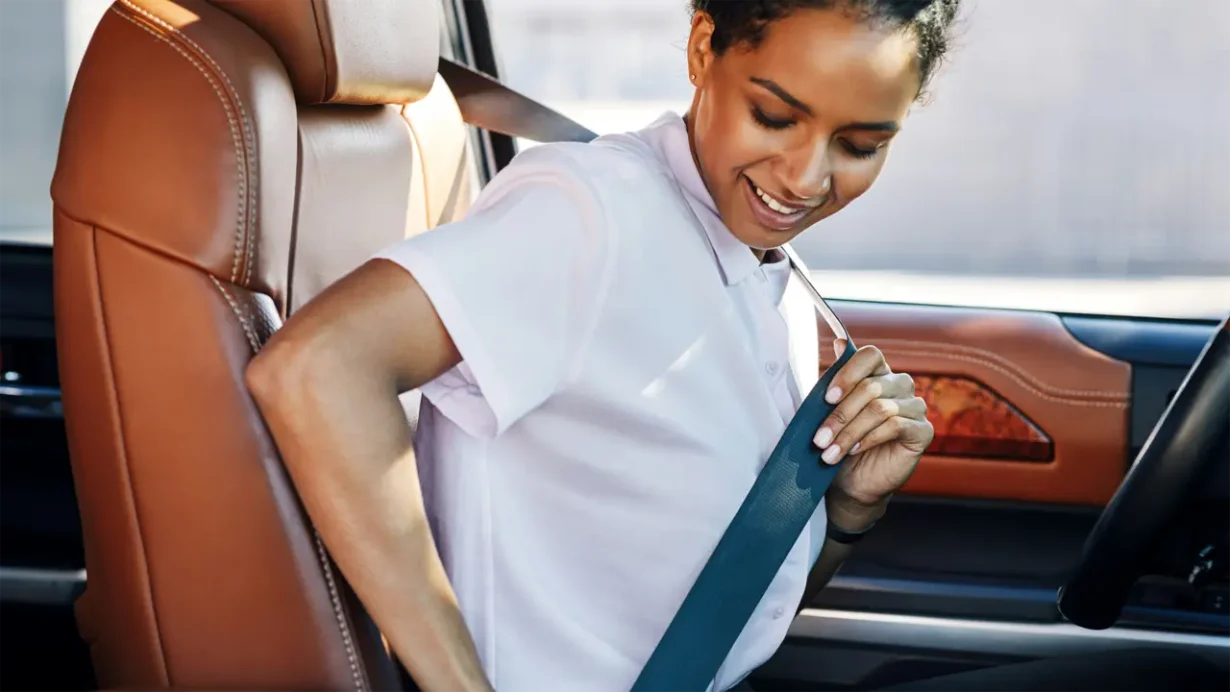
1. Do you wear a seatbelt in the car?
2. What is a common traffic light color?
3. Is it dangerous to use a phone while driving?
4. What is the maximum speed in your city?
5. Do you use a crosswalk?
6. What is the difference between a stop sign and a yield sign?
7. What makes a road slippery?
8. What is the job of the police on the road?
9. Do you think traffic laws are important?
10. What makes a bicycle safe at night?
11. Do you see many accidents in your area?
12. What makes a driver angry?
13. What is the opposite of safe driving?
14. What are some different types of road signs?
15. Do you like walking next to a busy road?
A2 Level – Pre-Intermediate
1. What are the key differences between rules for drivers, cyclists, and pedestrians?
2. Describe one bad driving habit you often witness in your city.
3. What are the pros and cons of installing speed cameras on city roads?
4. What role does clear road signage and lane marking play in preventing accidents?
5. Have you ever participated in a road safety awareness campaign?
6. What specific rules should apply to people riding scooters or electric bikes in city traffic?
7. What is the difference between defensive driving and aggressive driving?
8. What are common challenges when trying to enforce speed limits in residential areas?
9. How does technology (e.g., ABS, airbags) improve the passive safety of a vehicle?
10. What are the biggest cultural differences in driving etiquette and adherence to traffic laws?
11. What is the importance of teaching road safety to children from a very young age?
12. Do you think harsher penalties (e.g., license loss) are the best way to improve road safety?
13. What are the challenges of designing safe roads in areas with frequent severe weather?
14. What are the best ways to reduce driver fatigue on long journeys?
15. What is the difference between a highway and a residential street?
B1 Level – Intermediate
1. Discuss the conflict between a driver’s desire for speed and the collective need for universal road safety.
2. How can urban planners redesign city streets to prioritize pedestrians and cyclists over cars?
3. What are the ethical issues surrounding the use of public safety data collected from vehicle GPS trackers?
4. Do you agree that human error is the single greatest cause of all road accidents?
5. Describe a time when a simple moment of inattention while driving almost resulted in an accident.
6. To what extent should governments invest in public transport to reduce the sheer number of private cars on the road?
7. What role do public service announcements and emotional appeals play in changing risky driving behavior?
8. How do cultural norms about individualism versus collectivism affect driver obedience to traffic laws?
9. Discuss the psychological phenomenon of “risk compensation”—drivers taking more risks because their cars are safer.
10. What are the challenges of managing large volumes of traffic during peak holiday travel seasons?
11. How does the concept of “Vision Zero” (aiming for zero road deaths) change the approach to traffic engineering?
12. Should all new drivers be required to undergo mandatory training on non-motorized road user interactions?
13. What is the difference between an honest driving mistake and negligent, reckless driving?
14. Discuss the concept of “hostile architecture” and its use in discouraging loitering in public transport areas.
15. What is the long-term impact of consistently poor road safety on a city’s public health system?
B2 Level – Upper-Intermediate
1. How does economic inequality influence the quality of road infrastructure and vehicle maintenance in different neighborhoods?
2. What are the ethical arguments about penalizing drivers for minor offenses when the core problem is poor infrastructure design?
3. Should all new cars be legally required to install advanced safety features (e.g., automatic emergency braking)?
4. What are the psychological reasons why people feel a sense of anonymity and reduced social responsibility when inside a car?
5. How has the rise of personal digital distraction (e.g., navigation apps) created new challenges for focused driving?
6. Discuss the idea that a high degree of road safety requires a change in collective *culture* more than a change in *laws*.
7. What is the role of insurance companies in influencing road safety through premium adjustments and risk assessment?
8. How do our cultural perceptions of status and power become attached to the size and speed of a vehicle?
9. What are the challenges of regulating fully autonomous vehicles that may be programmed to prioritize different ethical outcomes?
10. Discuss the concept of “traffic calming”—using physical design to slow down vehicle speeds in urban areas.
11. What is the difference between a momentary lapse of concentration and chronic fatigue as a cause of accidents?
12. Should public health systems actively track and intervene with drivers who have a history of serious traffic violations?
13. What is the impact of mandatory helmet and seatbelt laws on individual liberty versus collective public health savings?
14. How does the history of highway construction reflect political decisions that prioritized speed and volume over pedestrian safety?
15. Discuss the idea that the ultimate goal of road safety is to make human error non-fatal.
C1 Level – Advanced
1. Analyze the socioeconomic factors that correlate with disparities in traffic fatality rates between high-income and low-income neighborhoods.
2. To what degree should the legal system restrict a driver’s freedom (e.g., through curfews, digital monitoring) after a serious violation?
3. Discuss the philosophical concept of “risk transfer” and how it applies to accident liability between human drivers and autonomous systems.
4. Evaluate the efficacy of using targeted police enforcement in high-accident areas versus making systemic infrastructure changes.
5. How does the strategic use of visual cues (e.g., confusing intersections) in urban planning inadvertently create road safety hazards?
6. Examine the legal challenges of holding manufacturers accountable for safety defects in complex electronic vehicle systems.
7. What ethical guidelines should govern the use of facial recognition technology to identify drivers using their phones illegally?
8. Discuss the concept of “unintended consequences” in road safety (e.g., making one area safer pushes accidents to another).
9. How do different national policies on driver licensing and testing affect the overall competence and safety of the driving population?
10. Analyze the interplay between the increasing size of SUVs/trucks and the resulting risk to pedestrians and smaller vehicles.
11. What ethical challenges arise when new safety technology (e.g., advanced driver-assistance systems) is only available on expensive luxury vehicles?
12. Debate whether a system of fully automated, computer-controlled roads would eliminate accidents but also eliminate human enjoyment of driving.
13. How does the architecture of major highways and interchanges prioritize efficient flow over the potential for human error?
14. Discuss the concept of “human factors engineering” and its application to designing intuitive and safe vehicle controls.
15. To what extent does the emotional attachment to the “open road” conflict with the reality of highly regulated, crowded modern highways?
C2 Level – Proficiency
1. How do you analyze the idea that road safety is fundamentally a reflection of a society’s value placed on speed versus human life?
2. Formulate a critique of urban and road design philosophies that were established decades ago and fail to account for modern transport diversity.
3. Analyze the intersection of complexity theory, real-time traffic data, and the challenge of managing multi-modal, highly dynamic road networks.
4. Discuss the philosophical distinction between “negligence” (failure to foresee risk) and “intent” (deliberate violation of safety law).
5. Critically evaluate the effectiveness of public education campaigns in changing deep-seated, generational risky driving behaviors.
6. Propose a system for urban mobility that entirely separates non-motorized and autonomous traffic from human-driven vehicles.
7. Examine the psychological function of shared collective risk-taking in the formation of local driving norms and etiquette.
8. How does the semiotics of vehicle design (e.g., front-end shape) subtly communicate aggression and a disregard for external road users?
9. Discuss the ethical responsibilities of media outlets in their coverage of traffic accidents to avoid sensationalizing or normalizing fatalities.
10. Analyze the historical relationship between cycles of economic prosperity and the corresponding increase in vehicle ownership and accident rates.
11. Articulate the inherent tension between the need for flexible, spontaneous driving and the requirement for highly standardized, predictable road rules.
12. Debate whether the global trend toward autonomous vehicles will ultimately transfer the problem of accidents from human error to algorithmic error.
13. Assess the long-term societal effects of mandatory driving simulation and advanced testing on overall driver confidence and competence.
14. Discuss the philosophical definition of ‘responsibility’ when applied to a highly distributed, complex, and failure-prone road network.
15. How might the principles of road safety engineering be used to model processes of organizational risk management and system resilience?