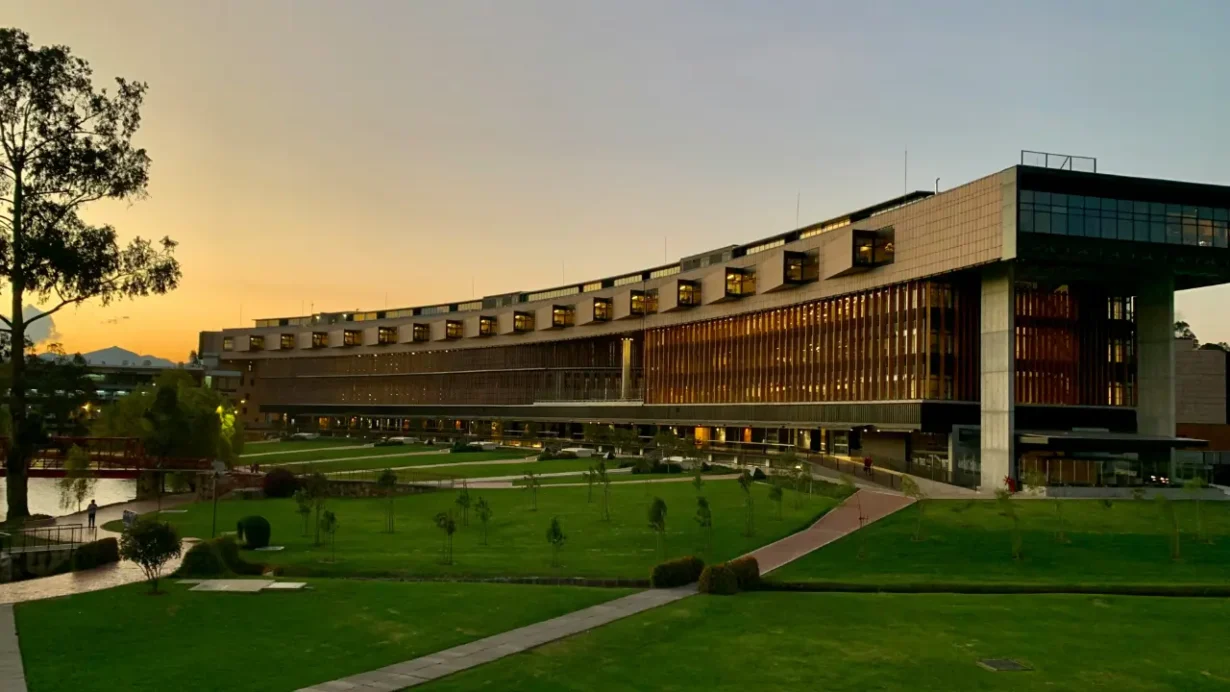
A1 Level – Elementary
1. Do you want to go to university?
2. What is a common university subject?
3. What makes a good teacher?
4. Do you think university is expensive?
5. What is the difference between a high school and a university?
6. Do you like reading big books?
7. What makes a student busy?
8. What is a common activity for students?
9. Do you think university is important for a good job?
10. What makes a university famous?
11. Do you live near a university?
12. What makes a good study group?
13. What is the opposite of a good grade?
14. What are some different types of exams?
15. Do you like research?
A2 Level – Pre-Intermediate
1. What are the key differences between learning in a university and learning on the job?
2. Describe one challenge of living independently while attending a university.
3. What are the pros and cons of studying a broad subject versus a narrow specialization?
4. What role does social life and extracurricular activities play in the university experience?
5. Have you ever considered studying abroad at a foreign university?
6. What specific resources (e.g., career services, libraries) are most important for a university student?
7. What is the difference between an undergraduate and a postgraduate degree?
8. What are common challenges when choosing a subject of study at a university?
9. How does technology (e.g., online lectures) change the traditional classroom format?
10. What are the biggest challenges of managing tuition fees and living expenses as a student?
11. What is the importance of having diverse student representation at a university?
12. Do you think a university education is valued as highly today as it was 50 years ago?
13. What are the challenges of adapting from a rigid high school schedule to a flexible university one?
14. What are the best ways for students to deal with academic pressure and stress?
15. What is the difference between a state (public) university and a private university?
B1 Level – Intermediate
1. Discuss the difficulty of balancing the academic demands of university with the need to gain practical work experience.
2. How can universities ensure that their curriculum remains relevant and adaptable to rapidly changing job markets?
3. What are the ethical issues surrounding the intense pressure on university athletes to generate revenue for the school?
4. Do you agree that the networking and social connections made at university are more valuable than the academic knowledge gained?
5. Describe a time when a university lecture or course fundamentally changed the way you view a subject.
6. To what extent should the government subsidize university education to make it universally accessible?
7. What role do independent student unions and associations play in protecting student rights?
8. How do cultural norms about parental authority influence a student’s choice of major and university?
9. Discuss the psychological phenomenon of “imposter syndrome”—feeling like you don’t deserve to be at a high-level university.
10. What are the challenges of managing large class sizes while maintaining a high quality of personalized instruction?
11. How does the concept of “academic freedom” protect the rights of professors to teach controversial topics?
12. Should public funding prioritize university research with immediate practical application or long-term theoretical benefits?
13. What is the difference between a university that focuses on teaching and one that focuses on research?
14. Discuss the concept of “student debt” and its long-term impact on the life choices of graduates.
15. What is the long-term impact of a university’s reputation on a graduate’s career mobility?
B2 Level – Upper-Intermediate
1. How does the escalating cost of tuition fees exacerbate social inequality and restrict access to elite universities?
2. What are the ethical arguments about the immense financial endowments held by some private universities?
3. Should all university students be required to study a broad range of subjects (liberal arts) or specialize immediately?
4. What are the psychological reasons why the transition from high school to university life can be highly stressful?
5. How has the dominance of league tables and global rankings affected the educational priorities of university administrations?
6. Discuss the idea that the greatest role of the university is not job training, but teaching critical thought and skepticism.
7. What is the role of legal frameworks (e.g., tenure) in protecting the job security and academic freedom of university professors?
8. How do our cultural perceptions of a university degree influence the value we place on vocational training?
9. What are the challenges of managing massive international student bodies while preserving a sense of local culture?
10. Discuss the concept of “publish or perish”—the intense pressure on academics to constantly produce research.
11. What is the difference between an online degree program and an in-person, traditional university experience?
12. Should university entrance criteria be adjusted to give more weight to non-academic factors (e.g., life experience, community service)?
13. What is the impact of university investment decisions (e.g., in fossil fuels) on student activism and moral legitimacy?
14. How does the history of scientific research and intellectual discourse reflect the evolving purpose of the modern university?
15. Discuss the idea that the university campus itself (the architecture, the shared space) is a crucial part of the learning experience.
C1 Level – Advanced
1. Analyze the socioeconomic factors that correlate with dropout rates and the long-term career success of university graduates.
2. To what degree should the legal system restrict the ability of universities to use proprietary content or prevent open access to publicly funded research?
3. Discuss the philosophical concept of “the Ivory Tower” and the critique of universities as being detached from real-world problems.
4. Evaluate the impact of new technologies (e.g., AI-driven plagiarism detection) on the integrity of academic work.
5. How does the strategic use of university branding and alumni networking influence the long-term value of a degree?
6. Examine the legal challenges of ensuring free speech and open debate on campus while preventing hate speech or harassment.
7. What ethical guidelines should govern the use of AI to automate academic grading and provide personalized student feedback?
8. Discuss the concept of “credential inflation”—the increasing need for higher degrees for jobs that previously required less education.
9. How do different national policies on intellectual property rights affect the commercialization and profitability of university research?
10. Analyze the interplay between the increasing administrative overhead of universities and the resulting cost burden on students.
11. What ethical challenges arise when new medical or technological research conducted at a university is immediately privatized for profit?
12. Debate whether a system of fully free, open-access online university education would render traditional brick-and-mortar campuses obsolete.
13. How does the architecture of a university library reflect the historical shift from printed scrolls to digital archives?
14. Discuss the concept of “the university-industrial complex” and the blurring of lines between academic and commercial interests.
15. To what extent does the emotional investment in a university’s sports team or brand distract from its core academic mission?
C2 Level – Proficiency
1. How do you analyze the idea that the modern university is fundamentally a sorting mechanism for the global labor market?
2. Formulate a critique of the global university ranking systems and their resulting homogenization of academic priorities.
3. Analyze the intersection of political funding, academic freedom, and the pressure on research to align with short-term government goals.
4. Discuss the philosophical distinction between “knowledge” (facts) and “discourse” (the way knowledge is created and debated) within the university.
5. Critically evaluate the effectiveness of university mental health services in addressing the profound psychological pressure on modern students.
6. Propose a system for university funding that eliminates tuition fees and relies entirely on a graduate tax or public endowment model.
7. Examine the psychological function of the university environment in providing a necessary developmental space between childhood and full adult responsibility.
8. How does the semiotics of university architecture (e.g., traditional gothic vs. modern glass) communicate its institutional values and priorities?
9. Discuss the ethical responsibilities of university administrations to divest from investments that are environmentally or socially harmful.
10. Analyze the historical relationship between the development of the medieval university model and the structure of modern professional guilds.
11. Articulate the inherent tension between a university’s commitment to objective truth and the political pressure to conform to contemporary social narratives.
12. Debate whether a future dominated by AI will make the ability to synthesize knowledge more valuable than the acquisition of a specific university degree.
13. Assess the long-term societal effects of chronic student debt on economic mobility and the national economy.
14. Discuss the philosophical definition of ‘excellence’ and how it is achieved and sustained in complex research institutions.
15. How might the principles of university interdisciplinary research be used to model processes of complex institutional problem-solving?