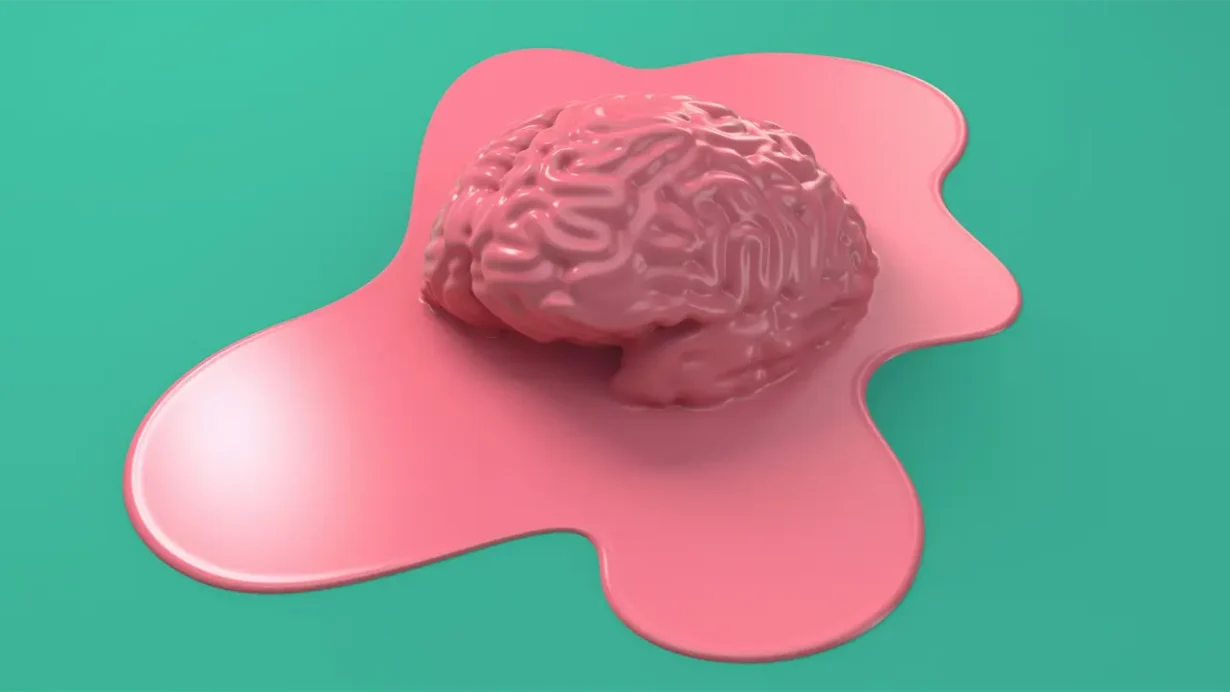
A1 Level – Elementary
1. Do you watch short videos on your phone?
2. What is a bad focus?
3. Do you think phones are addictive?
4. What is a meaningless activity?
5. Do you feel tired after too much screen time?
6. What is a fast scroll?
7. Do you worry about learning new things?
8. What is a simple message?
9. Do you know the meaning of “brainrot”?
10. What is a long time online?
11. Do you like long books?
12. What is a new trend?
13. Do you like clear thinking?
14. What are three things that waste time online?
15. Do you think too much phone use is bad?
A2 Level – Pre-Intermediate
1. What is the difference between simple relaxation and mind-numbing content?
2. Why are short videos designed to keep you watching?
3. What are the good things and bad things about quick entertainment?
4. How can a person limit their screen time effectively?
5. Should all phones have mandatory time limits?
6. Why is it important to spend time on deep, focused thinking?
7. Do you think the term “brainrot” is too harsh?
8. What is the purpose of educational content online?
9. How does constant scrolling affect memory?
10. What is the difference between passive consumption and active learning?
11. Do you think being easily distracted is a modern problem?
12. What are the problems when people only communicate with short phrases?
13. When is the best time to stop using your phone before sleep?
14. What are two things that help improve concentration?
15. How does a lack of focus affect school performance?
B1 Level – Intermediate
1. What are the simple ways to politely tell a friend they are spending too much time online?
2. How does the financial model of platforms affect the type of content they promote?
3. Should the government provide resources for digital detox programs?
4. What is the difference between a simple distraction and a serious addiction?
5. Do you believe that the quality of online content is getting worse?
6. What are the challenges of resisting the urge to check your phone constantly?
7. How does focusing on instant entertainment affect long-term intellectual growth?
8. What is the idea of “dopamine hits”?
9. Is it fair when some people are naturally more susceptible to digital addiction?
10. How does a lack of critical thinking affect the belief in online content?
11. What are the basic steps for starting a digital routine that prioritizes deep work?
12. What is the value of spending time on hobbies that require focus?
13. Should the news talk more about the psychological effects of social media?
14. What are the simple reasons why some people believe short content is easier to learn from?
15. How does the history of television affect modern internet content?
B2 Level – Upper-Intermediate
1. What are the simple social problems caused by using only memes and short quotes?
2. What are the ethical issues when companies design platforms to maximize screen time?
3. How does constant social media showing of simple life affect the appreciation for complexity?
4. Should technology companies be legally required to disclose their addictive mechanisms?
5. How does the feeling of boredom affect a person’s desire for quick online fixes?
6. Who is responsible for educating youth on media literacy and focus?
7. What is your simple view on the practice of watching videos at maximum speed?
8. What is the role of technology in giving people tools for self-control?
9. How does the problem of short attention span affect complex problem-solving?
10. What are the clear problems with allowing too much exposure to low-effort content?
11. What are the legal differences between a simple app and a product designed to addict?
12. Do you think the main purpose of online content is to entertain?
13. What steps can community groups take to promote reading and deep focus?
14. How does the lack of clear rules affect youth online behavior?
15. What are the simple psychological effects of a successful digital detox?
Explore a ready-to-use “Are You a Victim of Brainrot?” lesson perfect for C1 classes.
C1 Level – Advanced
1. Is it fair that algorithms push addictive content to vulnerable people?
2. What is the moral duty of a society to protect people from cognitive decline?
3. How do global media structures affect the standardization of low-effort content?
4. When should the government consider mandatory limits on children’s screen time?
5. What are the simple ethical problems of companies profiting from short attention spans?
6. How does focusing on virality affect the need for quality, meaningful content?
7. Discuss the effects of long-term exposure to fast-paced media on brain function.
8. How should leaders use education to promote deep, critical thinking?
9. What is the idea of “cognitive load”?
10. What are the long-term social effects when a whole generation struggles with focus?
11. What are the clear difficulties when courts try to decide if a platform caused harm?
12. How does the desire for instant satisfaction affect the need for patient learning?
13. Do you think the most important thing is the preservation of human attention span?
14. What are the simple moral rules a person should follow when creating online content?
15. Should the government set a clear standard for educational content online?
C2 Level – Proficiency
1. What is the true difference between a natural curiosity and a manufactured click?
2. Should we eliminate the system that monetizes attention and distraction?
3. How does the idea of intelligence change when focus becomes a scarce resource?
4. What laws are needed to prevent major corporate use of psychological nudges?
5. How do historical views of literacy and boredom affect modern content creation?
6. How can a society ensure that empathy is shown to people struggling with focus?
7. Do you think banning all short-form video platforms would fix the problem?
8. What simple rules should guide people when they consume online information?
9. How can we stop people from using personal choice as an excuse for poor habits?
10. What did old thinkers say about contemplation, knowledge, and wisdom?
11. What will happen to the need for human teachers if AI customizes all content?
12. How do people use the idea of “it’s just fun” to avoid discussing mental health?
13. How does the experience of overcoming digital addiction change a person’s life?
14. What is the power of a group to demand ethical design of all technology?
15. If scientists could create a perfect, non-addictive entertainment system, what would happen?