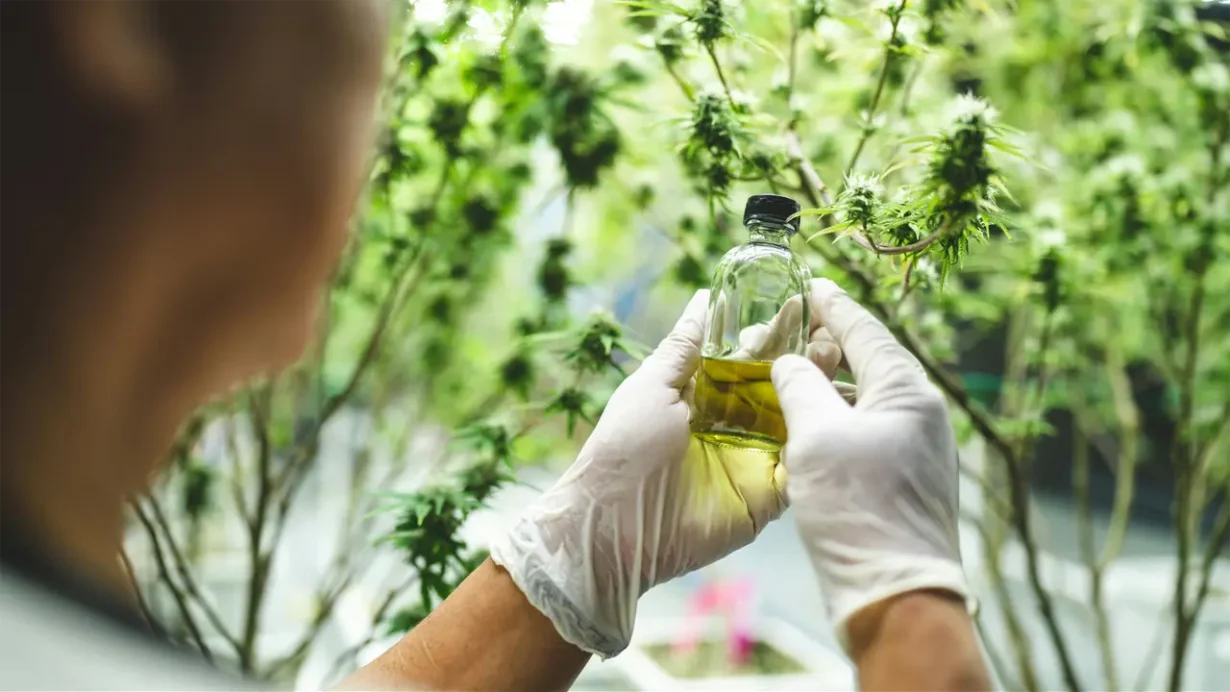
A1 Level – Elementary
1. Do you know about CBD oil?
2. What is a natural plant?
3. Do you feel stressed often?
4. What is a small bottle?
5. Do you think it is safe?
6. What is a calm feeling?
7. Do you worry about pain?
8. What is a legal rule?
9. Do you think CBD is a medicine?
10. What is a strong smell?
11. Do you buy many health products?
12. What is a quick fix?
13. Do you know where it comes from?
14. What are three ways to use oil?
15. Do you think CBD is popular?
A2 Level – Pre-Intermediate
1. What is the difference between CBD oil and medical marijuana?
2. Why are people interested in using natural remedies?
3. What are the good things and bad things about products that lack regulation?
4. How can a person choose a good quality CBD oil?
5. Should all CBD products be tested by a third party?
6. Why is it important to know the THC content?
7. Do you think CBD helps with sleep problems?
8. What is the purpose of using CBD for pets?
9. How does advertising affect the public perception of CBD?
10. What is the difference between an oil and a gummy candy?
11. Do you think doctors should recommend CBD?
12. What are the problems when people stop taking prescribed medication for CBD?
13. When is the best time to take CBD (e.g., before sleep)?
14. What are two differences between hemp and cannabis?
15. How does the legality of CBD change from country to country?
B1 Level – Intermediate
1. What are the rules for politely asking someone why they use CBD oil?
2. How does the cost of the oil affect its accessibility for people in chronic pain?
3. Should the government provide free, unbiased information about CBD’s effectiveness?
4. What is the difference between using CBD for anxiety and using it for physical pain?
5. Do you believe that the benefits of CBD are exaggerated by marketing?
6. What are the challenges of conducting large-scale clinical trials on CBD?
7. How does the focus on natural remedies affect trust in traditional medicine?
8. What is the idea of the “entourage effect”?
9. Is it fair or unfair when some companies claim medical benefits without scientific proof?
10. How does a lack of regulation lead to inconsistent product quality?
11. What are the steps for properly reading and understanding a Certificate of Analysis (COA)?
12. What is the value of finding a natural product that helps with chronic conditions?
13. Should public media criticize celebrity endorsements of unproven health products?
14. What are the reasons why some people feel uncomfortable talking about cannabis-related products?
15. How does the history of prohibition affect current attitudes toward CBD?
B2 Level – Upper-Intermediate
1. What are the social pressures to find non-pharmaceutical solutions for common ailments?
2. What are the moral problems when companies market CBD to vulnerable individuals with serious health issues?
3. How does constant online promotion of CBD affect people’s skepticism toward science?
4. Should CBD companies be legally required to pass the same safety standards as food or medicine?
5. Analyze the psychological effect of confronting the idea that natural products might solve complex problems.
6. Who is responsible for ensuring the long-term safety of using CBD oil daily?
7. What is your view on the practice of integrating CBD into everyday food and drink?
8. Evaluate the role of private research institutions in advancing CBD science.
9. How does the concept of “novel food” apply to CBD regulation?
10. Discuss the concept of “placebo effect” in the context of user testimonials.
11. What are the problems with having very different rules for legal consumption across states or borders?
12. What are the legal differences between a health claim and a medical claim?
13. Do you agree that the purpose of CBD is mainly to provide a natural alternative to synthetic drugs?
14. What steps should be taken to ensure that pregnant women receive clear warnings about CBD use?
15. How does the economic growth of the CBD industry affect the traditional pharmaceutical market?
C1 Level – Advanced
1. Is it fair that the cost of regulated, tested CBD oil is often unaffordable for those who need it most?
2. What is the right way to think about a CBD company’s moral duty to only market proven benefits?
3. How do the platform’s algorithms influence the type of CBD advertising that is targeted to people with specific health problems?
4. When should the government consider mandatory limits on the concentration of heavy metals in CBD products?
5. What are the moral questions when we talk about using the plant’s traditional association to market a new commercial product?
6. How does the focus on quick profit affect the long-term, necessary investment in rigorous medical research?
7. Discuss the impact of major corporate farming on the sustainability and purity of hemp production.
8. How should leaders use tax revenue from CBD sales to fund addiction and mental health research?
9. What is the idea of “medicalization” of natural products?
10. What are the long-term effects on society when fewer people trust official medical advice?
11. What are the difficulties when courts try to decide if a consumer was harmed by a falsely labeled CBD product?
12. How does the search for total convenience conflict with the ethical need for transparent scientific data?
13. Do you agree that the most important thing is the preservation of the plant’s medicinal potential?
14. What are the simple moral rules a person should follow when they benefit from promoting a product they have not independently verified?
15. Should the government set a legal minimum for the amount of scientific research required for any product to be classified as a health aid?
C2 Level – Proficiency
1. What is the real difference between a person’s faith in a natural remedy and the rigorous demands of scientific proof?
2. Debate the idea: Should we completely nationalize the production and sale of all cannabinoid products?
3. How does the concept of “wellness” change when it becomes tied to a specific commercial supplement?
4. What laws or rules are needed to control how technology platforms use algorithms to bypass advertising restrictions?
5. How do historical views of traditional medicine and prohibition affect modern regulatory approaches?
6. How can communities maintain their public health standards when unproven products are widely available?
7. Argue the point that humans should stop all attempts to regulate natural products and allow the individual total freedom of consumption.
8. What protection should laws give to employees who report unsafe or unethical practices in the CBD supply chain?
9. How can we stop the problem of using the argument of “natural origin” to mask a lack of quality control?
10. What did old thinkers say about natural remedies, skepticism, and the moral requirement for honesty in health that is still relevant today?
11. What will happen to the need for human doctors if AI can perfectly diagnose and recommend cannabinoid therapies?
12. How do people use the idea of “it’s just a supplement” to avoid discussing their medical needs?
13. How does the experience of a major health scandal improve a person’s critical thinking skills regarding health trends?
14. What is the power of a collective movement to demand that the CBD industry is fully transparent about sourcing and testing?
15. If scientists could create a perfect, non-addictive, and fully proven natural painkiller, how would that fundamentally change the pharmaceutical industry?