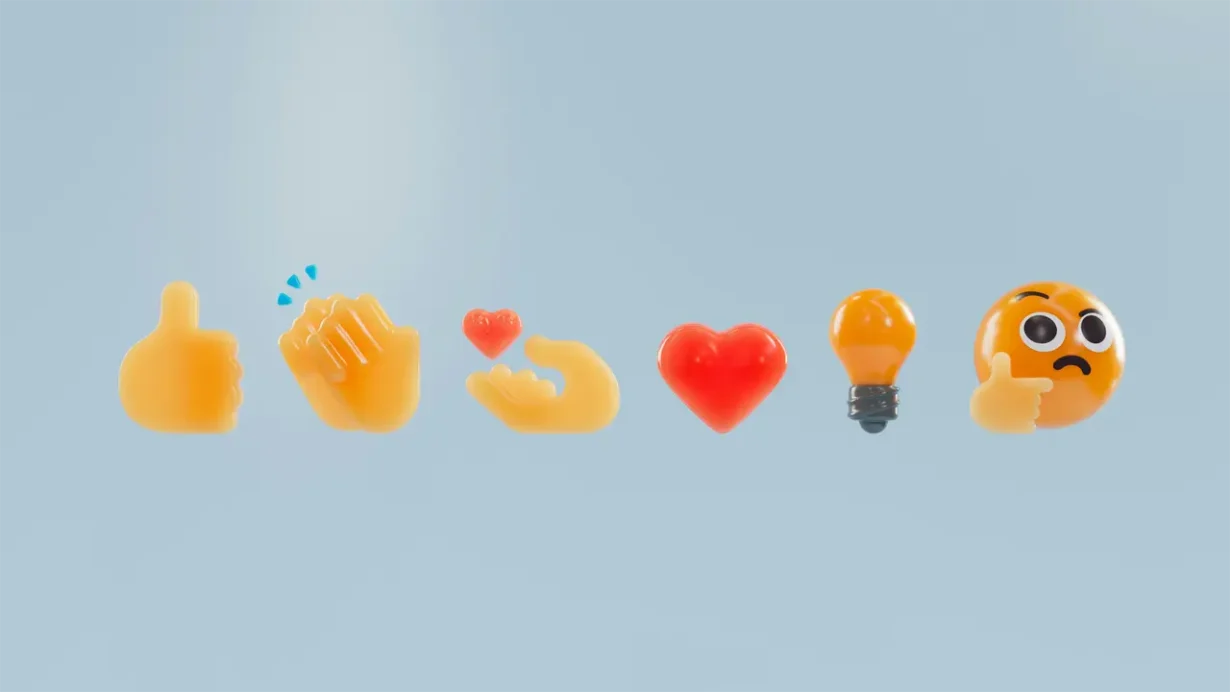
A1 Level – Elementary
1. Do you use emojis?
2. What is a happy face?
3. Do you like simple symbols?
4. What is a confusing message?
5. Do you think emojis help communication?
6. What is a fast reply?
7. Do you worry about misusing an emoji?
8. What is a long text?
9. Do you think all countries use them the same?
10. What is a clear feeling?
11. Do you use them in formal writing?
12. What is a new emoji?
13. Do you like simple pictures?
14. What are three emojis you use often?
15. Do you think writing without them is hard?
A2 Level – Pre-Intermediate
1. What is the difference between an emoji and an emoticon?
2. Why did emojis become so popular in texting?
3. What are the good things and bad things about conveying emotion with pictures?
4. How can a person use emojis to make a serious message lighter?
5. Should all communication platforms use the same emojis?
6. Why is it important to check the meaning of a new emoji?
7. Do you think using too many emojis is unprofessional?
8. What is the purpose of emojis in business communication?
9. How does using emojis affect written language skills?
10. What is the difference between personal and public use of emojis?
11. Do you think emojis are a universal language?
12. What are the problems when people use emojis instead of full words?
13. When is the best time to use an emoji in a formal message?
14. What are two things that make an emoji useful?
15. How does a lack of clarity affect understanding a message?
B1 Level – Intermediate
1. What are the simple ways to politely ask what an emoji means?
2. How does the development of new emojis affect cultural representation?
3. Should the government provide resources to standardize digital symbols?
4. What is the difference between a humorous emoji and an ambiguous one?
5. Do you believe that emojis are changing the way people express themselves?
6. What are the challenges of translating emoji meaning across generations?
7. How does focusing on speed affect the thoughtfulness of a message?
8. What is the idea of “digital rhetoric”?
9. Is it fair when a person is judged for their emoji usage?
10. How does a lack of context affect the interpretation of a message?
11. What are the basic steps for choosing an appropriate emoji for a text?
12. What is the value of emojis in breaking down language barriers?
13. Should the news talk more about the impact of digital communication?
14. What are the simple reasons why some people never use emojis?
15. How does the history of communication affect modern digital symbols?
B2 Level – Upper-Intermediate
1. What are the simple social problems caused by generational gaps in emoji use?
2. What are the ethical issues when companies use emojis to track sentiment?
3. How does constant social media showing of complex emoji strings affect clarity?
4. Should online platforms be legally required to provide accessible emoji descriptions?
5. How does the feeling of fun affect a person’s formal communication?
6. Who is responsible for ensuring the cultural sensitivity of new emojis?
7. What is your simple view on the practice of sending only emojis?
8. What is the role of technology in predicting the next emoji you will use?
9. How does the problem of interpretation affect professional emails?
10. What are the clear problems with allowing people to hide meaning behind a symbol?
11. What are the legal differences between a written threat and an emoji threat?
12. Do you think the main purpose of emojis is to add tone to text?
13. What steps can individual users take to promote clear emoji use?
14. How does the lack of a universal meaning affect global communication?
15. What are the simple psychological effects of receiving a well-chosen emoji?
C1 Level – Advanced
1. Is it fair that career success can depend on knowing how to use emojis professionally?
2. What is the moral duty of a society to protect the clarity of language?
3. How do global digital trends affect the speed of emoji adoption?
4. When should the government consider mandatory clarity standards for all digital communication?
5. What are the simple ethical problems of companies profiting from emotional data?
6. How does focusing on speed affect the need for nuanced expression?
7. Discuss the effects of long-term use of simple symbols on critical writing skills.
8. How should leaders use digital tools to promote clear, unambiguous communication?
9. What is the idea of “digital illiteracy”?
10. What are the long-term social effects when a whole generation only uses symbols?
11. What are the clear difficulties when courts try to decide the legal meaning of an emoji?
12. How does the desire for personal expression affect the need for public clarity?
13. Do you think the most important thing is the preservation of clear, written language?
14. What are the simple moral rules a person should follow when communicating digitally?
15. Should the government set a clear standard for digital communication in all schools?
C2 Level – Proficiency
1. What is the true difference between a simple picture and a complex thought?
2. Should we eliminate the system that allows for massive use of potentially confusing symbols?
3. How does the idea of language change when it becomes visual and symbolic?
4. What laws are needed to prevent major corporate use of manipulative symbols?
5. How do historical views of hieroglyphs and text affect modern digital symbols?
6. How can a society ensure that empathy is shown to people with communication challenges?
7. Do you think total consistency in emoji meaning would fix all problems?
8. What simple rules should guide people when they encounter a new, ambiguous emoji?
9. How can we stop people from using personal choice as an excuse for poor communication?
10. What did old thinkers say about symbolism, meaning, and the power of words?
11. What will happen to the need for human language if AI prefers symbols?
12. How do people use the idea of “it’s just a joke” to avoid discussing harm?
13. How does the experience of a major misinterpretation change a person’s habits?
14. What is the power of a group to demand clear, unambiguous digital tools?
15. If scientists could create a perfect, universal communication symbol, what would happen?