A1 Level – Elementary
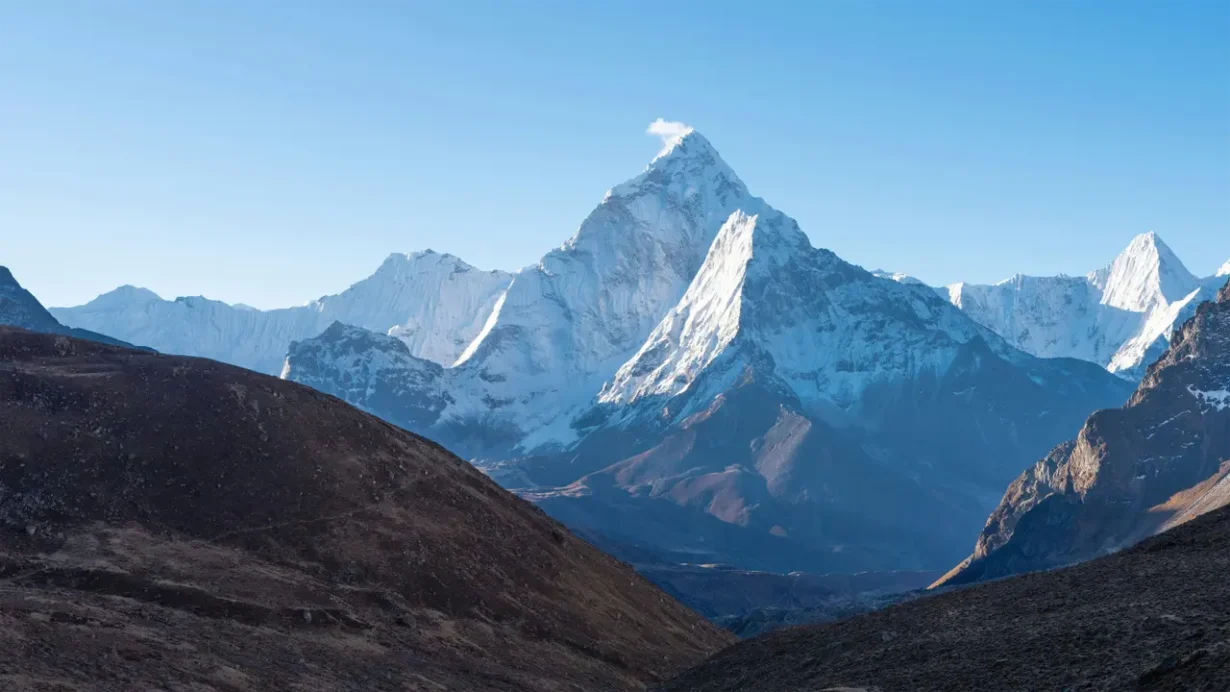
1. Do you know Mount Everest?
2. What is a high place?
3. Do you like cold weather?
4. What is a famous name?
5. Do you think climbing is expensive?
6. What is a flag on top?
7. Do you worry about the ice?
8. What is a long journey?
9. Do you think Everest is dangerous?
10. What is a big tent?
11. Do you like reading about heroes?
12. What is a traffic jam?
13. Do you feel proud of a challenge?
14. What are three dangers on Everest?
15. Do you think Everest should be climbed?
A2 Level – Pre-Intermediate
1. What is the difference between Everest and other mountains?
2. Why do people want to risk their lives to reach the top?
3. What are the good things and bad things about commercial climbing expeditions?
4. How can climbers protect the environment of Everest?
5. Should governments limit the number of climbers each year?
6. Why is it important to carry extra oxygen?
7. Do you think the high cost of climbing is fair?
8. What is the purpose of the Base Camp?
9. How does technology (GPS, advanced gear) change the risk level?
10. What is the difference between a Sherpa and a paying climber?
11. Do you think Everest has too many tourists?
12. What are the problems when climbers leave trash and empty oxygen bottles?
13. When is the best time (month) to try to climb Everest?
14. What are two things that make the air very thin at the top?
15. How does climbing Everest affect the local people who guide?
B1 Level – Intermediate
1. What are the rules for politely asking a climber about their near-death experiences?
2. How does the increasing number of climbers affect the safety of the mountain?
3. Should the government ban all climbers who do not have extreme prior experience?
4. What is the difference between climbing as a personal goal and climbing for fame?
5. Do you believe that the dead bodies on Everest should be brought down?
6. What are the challenges of managing waste and human waste on the mountain?
7. How does the focus on reaching the summit make climbers ignore clear warning signs?
8. What is the idea of the “Death Zone”?
9. Is it fair or unfair when some people are left to die to save others?
10. How does a lack of physical fitness lead to danger on Everest?
11. What are the steps for properly acclimatizing (getting used to the altitude)?
12. What is the value of the experience compared to the risk of the climb?
13. Should public media criticize the commercialization of Everest?
14. What are the reasons why some people feel a strong need to conquer the highest point?
15. How does the belief in the sacredness of the mountain affect local guides?
B2 Level – Upper-Intermediate
1. What are the social pressures to hire the most expensive, well-known guide service?
2. What are the moral problems when climbers use resources that could save others’ lives?
3. How does constant media coverage affect the public’s perception of the risks involved?
4. Should climbers be legally required to pay for their own rescue insurance?
5. Analyze the psychological effect of facing extreme cold, exhaustion, and the possibility of death.
6. Who is responsible for enforcing the rules and clean-up efforts on the mountain?
7. What is your view on the practice of using helicopters for non-emergency movement on Everest?
8. Evaluate the role of the Nepalese and Chinese governments in regulating access.
9. How does the concept of “peak bagging” relate to the commercial desire to climb Everest?
10. Discuss the concept of “summit fever” (the irrational drive to reach the top).
11. What are the problems with having very different rules for the Tibetan and Nepalese sides of the mountain?
12. What are the legal differences between a voluntary risk and a preventable death?
13. Do you agree that the purpose of Everest climbing is mainly personal achievement, not exploration?
14. What steps should be taken to ensure that Sherpa guides receive fair compensation and respect?
15. How does the famous history of Everest affect modern climbers’ motivation?
C1 Level – Advanced
1. Is it fair that the most wealthy climbers often get preferential treatment on the mountain?
2. What is the right way to think about a guide’s moral duty to the environment versus their client’s goal?
3. How do the platform’s algorithms influence the type of extreme risk-taking content that goes viral?
4. When should the government consider mandatory limits on the amount of trash a climber must bring down?
5. What are the moral questions when we talk about using advanced gear to make the climb a certainty?
6. How does the focus on quick ascents affect the long-term, necessary investment in environmental preservation?
7. Discuss the impact of major corporate sponsorship on the authenticity of the climbing experience.
8. How should leaders use the cultural significance of Everest to promote global climate action?
9. What is the idea of “ecotourism” and how does the current situation on Everest challenge it?
10. What are the long-term effects on society when the highest place on Earth is covered in commercial trash?
11. What are the difficulties when courts try to assign responsibility for a climber’s death on the mountain?
12. How does the search for personal glory conflict with the need to protect the fragile ecosystem?
13. Do you agree that the most important thing is the preservation of the mountain’s pristine natural state?
14. What are the simple moral rules a climber should follow when they pass a dying person?
15. Should the government set a legal minimum for the amount of medical expertise required at Base Camp?
C2 Level – Proficiency
1. What is the real difference between a climber’s desire to conquer nature and their role as a consumer of a luxury experience?
2. Debate the idea: Should we completely close Everest to all recreational climbing permanently?
3. How does the concept of “extreme” change when technology makes the most dangerous places accessible to paying tourists?
4. What laws or rules are needed to control how tourism companies use drones for filming in sacred areas?
5. How do historical views of exploration and risk-taking affect modern attitudes toward human mortality on Everest?
6. How can local communities maintain their traditional values when their entire economy depends on foreign climbers?
7. Argue the point that humans should stop all attempts to control the mountain and allow it to decide who survives.
8. What protection should laws give to Sherpa guides who are forced into dangerous climbs by international companies?
9. How can we stop the problem of using the argument of “national pride” to justify environmental damage?
10. What did old thinkers say about hubris, limits, and the relationship between humans and the sacred that is still relevant today?
11. What will happen to the need for human guides if AI can perfectly manage all aspects of a climb?
12. How do people use the idea of “it’s always been there” to avoid discussing the ethical issues of leaving trash?
13. How does the experience of extreme survival improve a person’s understanding of human reliance on others?
14. What is the power of a collective movement to demand that international funds be used to clean up the mountain?
15. If scientists could create a perfect, safe path to the summit, how would that fundamentally change the value of the achievement?