A1 Level – Elementary
1. Do you order food delivery?
2. What is your favorite food to order?
3. Is food delivery expensive?
4. What time do you usually order food?
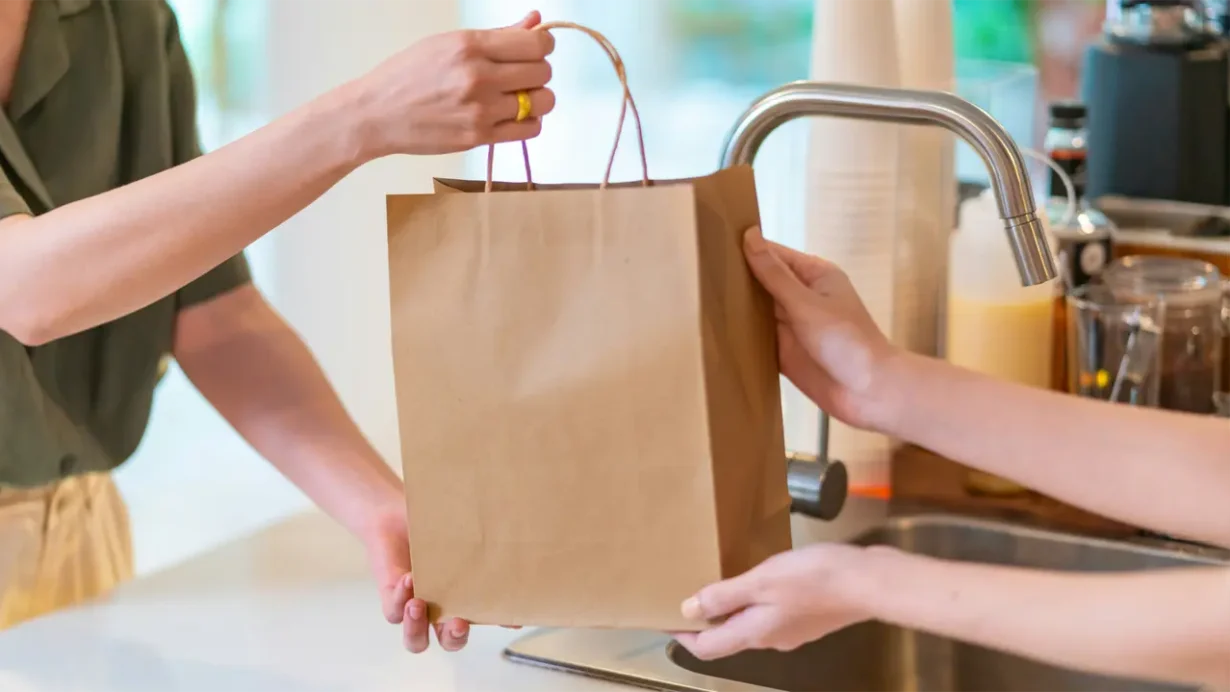
5. What color are the delivery bags?
6. Do you give a tip to the delivery person?
7. Do you like cooking at home?
8. How do you pay for delivery food?
9. What is a common pizza topping?
10. Is it faster to cook or order delivery?
11. What is the biggest delivery mistake you have seen?
12. Do you use an app or call the restaurant?
13. Is the food always hot when it arrives?
14. Do you order delivery when the weather is bad?
15. What are common delivery vehicles?
A2 Level – Pre-Intermediate
1. What are the main reasons people order food delivery instead of cooking?
2. Describe the perfect food delivery experience from start to finish.
3. What is the difference between a restaurant’s own delivery service and a third-party app?
4. What are the common challenges faced by food delivery drivers?
5. How does food packaging need to be designed for delivery?
6. What are the pros and cons of tipping delivery workers?
7. How has the rise of delivery apps changed the way restaurants operate?
8. Do you think food delivery creates too much waste (plastic containers, bags)?
9. What kind of communication is necessary with the delivery person?
10. What effect does delivery food have on a person’s monthly budget?
11. Have you ever had a serious problem with a delivery order?
12. Do you think delivery apps offer fair prices to consumers?
13. What health and safety concerns are there with food delivery?
14. What are the rules about ordering food to a public place (e.g., a park)?
15. What is the benefit of seeing a delivery tracker map on your phone?
B1 Level – Intermediate
1. Discuss the social and economic impact of food delivery apps on the employment of young people.
2. How can restaurants maintain the quality and freshness of their food when it travels long distances?
3. What are the ethical issues surrounding the pay and working conditions of delivery drivers?
4. Do you think the convenience of food delivery is making people cook less at home?
5. Describe a time when a delivery app feature (e.g., reviews, tracking) was particularly useful.
6. To what extent does food delivery contribute to urban traffic congestion and pollution?
7. What role do “ghost kitchens” (delivery-only restaurants) play in the modern food industry?
8. How have food delivery services adapted during health crises (e.g., pandemics)?
9. Discuss the psychological phenomenon of ordering comfort food during times of stress.
10. What are the challenges for a local, independent restaurant when competing with big delivery chains?
11. How do delivery platforms use user data to influence ordering habits and advertising?
12. Should there be stricter regulations on the packaging materials used in food delivery?
13. What are the pros and cons of using automated robots or drones for future food delivery?
14. What is the impact of food delivery on the tradition of family mealtimes at home?
15. Discuss the difference between ordering groceries online and ordering prepared meals.
B2 Level – Upper-Intermediate
1. How does the rise of food delivery services affect the long-term health and cooking skills of a population?
2. What are the ethical arguments about the large commissions that third-party delivery apps charge restaurants?
3. Should governments regulate the employment status of delivery drivers (e.g., full employee benefits vs. contractor status)?
4. What are the main challenges for delivery companies in ensuring food safety and correct temperature control?
5. How has the dominance of a few large delivery apps limited competition and consumer choice?
6. Discuss the idea that food delivery provides an important service for the elderly or people with disabilities.
7. What are the arguments for and against the use of mandatory service fees instead of voluntary tipping?
8. How does the food delivery business affect traffic accidents and public safety in crowded cities?
9. What is the psychological reason why seeing the delivery process on a map can be both reassuring and stressful?
10. Discuss how the need for speed in delivery affects the working culture and pressure on restaurant staff.
11. What are the key differences between the dining experience in a restaurant and eating the same food delivered at home?
12. Should delivery apps be required to provide transparent information about their environmental footprint?
13. How do “dark stores” (delivery-only grocery services) change the nature of local neighborhoods?
14. What are the risks of having personal credit card and address information stored across multiple delivery platforms?
15. Discuss the idea that the convenience of delivery is masking deeper social problems, like poor work-life balance.
C1 Level – Advanced
1. Analyze the social dynamics of the gig economy and how food delivery exemplifies the shift in modern employment.
2. To what degree should municipal planning incorporate dedicated parking or waiting areas for delivery workers?
3. Discuss the philosophical concept of “instant gratification” and how food delivery services cater to it.
4. Evaluate the long-term impact of food delivery on traditional street-level retail and restaurant density.
5. How does the competition for faster delivery times affect the sustainability and mental health of the workforce?
6. Examine the legal challenges regarding liability when a delivery worker is involved in an accident or damages property.
7. What ethical guidelines should govern the use of AI algorithms to set delivery workers’ pay and optimize their routes?
8. Discuss the concept of “food equity” and whether delivery services help or hinder access to quality food for all income levels.
9. How do different national labor laws influence the structure and operation of international delivery platforms?
10. Analyze the interplay between consumer reviews/ratings and the job security of individual delivery workers.
11. What ethical challenges arise when delivery services expand into sensitive areas (e.g., delivering medicine or private documents)?
12. Debate whether the environmental cost of single-use packaging outweighs the societal benefit of delivery convenience.
13. How does the shift to delivery impact the traditional social function of going out to eat in public spaces?
14. Discuss the concept of “surveillance capitalism” as it relates to the detailed tracking of consumer ordering habits.
15. To what extent should delivery platforms be responsible for providing insurance or training for their non-employee contractors?
C2 Level – Proficiency
1. How do you analyze the idea that food delivery is fundamentally a response to the breakdown of traditional family and community support structures?
2. Formulate a critique of the global legal distinction between “employee” and “independent contractor” in the context of food delivery labor.
3. Analyze the intersection of urban sprawl, public transport systems, and the logistics of efficient food distribution.
4. Discuss the philosophical concept of “value extraction” and how delivery apps intermediate the relationship between consumer and producer.
5. Critically evaluate the effectiveness of “opt-in” versus “opt-out” tipping models on delivery worker income and consumer behavior.
6. Propose a new, regulatory framework for food delivery that simultaneously protects worker rights, restaurant profit margins, and consumer prices.
7. Examine the psychological function of the “frictionless” transaction in reducing the perceived cost of ordering food.
8. How does the semiotics of brand identity (logos, colors) in the delivery industry reflect broader consumer desires?
9. Discuss the ethical boundaries of dynamic pricing models that charge consumers more based on their location or perceived urgency.
10. Analyze the historical relationship between the introduction of the telephone and the first wave of restaurant delivery services.
11. Articulate the inherent tension between the desire for hyper-local, fresh food and the logistical requirements of a global delivery platform.
12. Debate whether the future dominance of robot and drone delivery will create mass unemployment among human delivery workers.
13. Assess the long-term societal effects of decreased social interaction and the shift toward isolated consumption patterns.
14. Discuss the philosophical definition of ‘service’ when the human intermediary is minimized or replaced by technology.
15. How might the themes of food delivery be used to model processes of supply chain optimization in non-commercial contexts?