A1 Level – Elementary
1. Do you know what makes you happy?
2. What is a long life?
3. Do you like your job?
4. What is a big skill?
5. Do you feel useful?
6. What is a good community?
7. Do you want to help people?
8. What is a small daily pleasure?
9. Do you think having a purpose is important?
10. What is a good routine?
11. Do you like quiet reflection?
12. What is a balanced life?
13. Do you know the word Ikigai?
14. What are three things you are good at?
15. Do you think Ikigai is a secret to happiness?
A2 Level – Pre-Intermediate
1. What is the difference between a hobby and a life purpose?
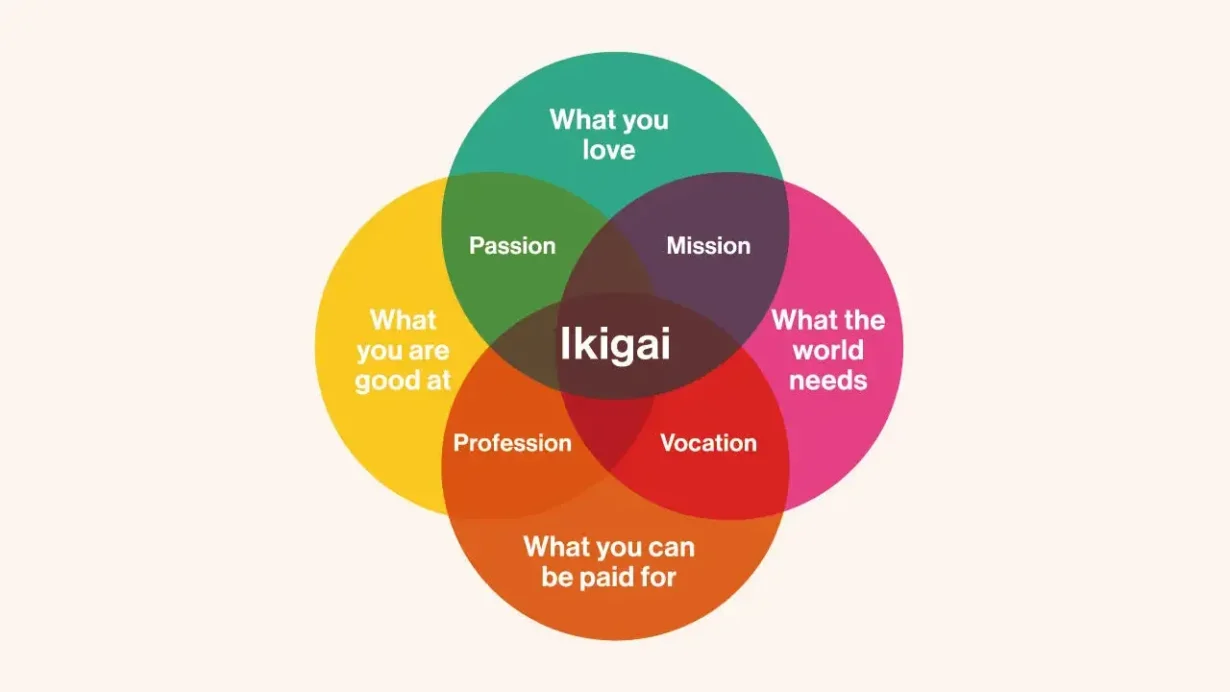
2. Why does the Japanese philosophy of Ikigai focus on balance?
3. What are the good things and bad things about constantly searching for purpose?
4. How can a job be both what you love and what the world needs?
5. Should all schools teach students how to find their life purpose?
6. Why is it important to feel like you are contributing to society?
7. Do you think Ikigai is mainly about work or about life outside work?
8. What is the purpose of waking up early?
9. How does the concept of Ikigai help reduce stress?
10. What is the difference between passion and mission?
11. Do you think Ikigai is hard to achieve in a fast-paced modern life?
12. What are the problems when people only focus on one part of Ikigai?
13. When is the best time in life to try to find your purpose?
14. What are two things that stop people from finding their Ikigai?
15. How does the concept of Ikigai relate to longevity (long life)?
B1 Level – Intermediate
1. What are the rules for politely asking a friend about their life purpose?
2. How does the economy of a country affect the freedom to follow Ikigai?
3. Should the government provide free career counseling focused on purpose?
4. What is the difference between a job that pays well and a job that provides a sense of purpose?
5. Do you believe that Ikigai is simply common sense from Japan?
6. What are the challenges of making money from something you truly love?
7. How does the focus on Western business success affect the understanding of Ikigai?
8. What is the idea of “flow state”?
9. Is it fair or unfair when some people find their Ikigai early in life?
10. How does a lack of self-reflection prevent finding your purpose?
11. What are the steps for properly evaluating if your work aligns with your values?
12. What is the value of a strong personal mission statement?
13. Should public media highlight the stories of people who found their Ikigai later in life?
14. What are the reasons why some people feel overwhelmed by the search for Ikigai?
15. How does the philosophy of Ikigai reflect Japanese work culture?
B2 Level – Upper-Intermediate
1. What are the social pressures to define your entire life by your work?
2. What are the moral problems when companies use the language of purpose to exploit workers?
3. How does constant social media showing of “perfectly purposeful lives” affect people’s feeling of inadequacy?
4. Should companies be legally required to provide job roles that offer a sense of mission?
5. Analyze the psychological effect of having all four elements of Ikigai aligned.
6. Who is responsible for promoting philosophies like Ikigai in Western educational systems?
7. What is your view on the practice of constantly changing jobs in search of Ikigai?
8. Evaluate the role of private coaching and self-help books in translating complex philosophical concepts.
9. How does the concept of “personal branding” conflict with the simplicity of Ikigai?
10. Discuss the concept of “self-actualization” in Maslow’s hierarchy.
11. What are the problems with having very different financial needs affecting the choice of Ikigai?
12. What are the legal differences between a personal mission and a non-profit organization’s purpose?
13. Do you agree that the purpose of Ikigai is mainly to reduce the stress of modern living?
14. What steps should be taken to ensure that philosophical concepts are not over-simplified for commercial use?
15. How does the search for Ikigai change a person’s relationship with routine?
C1 Level – Advanced
1. Is it fair that the economic reality of the modern world often makes Ikigai an unreachable ideal?
2. What is the right way to think about a business leader’s moral duty to ensure employees find purpose in their work?
3. How do the platform’s algorithms influence the type of purpose-driven content that becomes viral?
4. When should the government consider mandatory sabbatical periods for workers to reflect on their Ikigai?
5. What are the moral questions when we talk about using psychological tools to guide a person toward a predetermined purpose?
6. How does the focus on quick fixes affect the long-term, necessary investment in deep personal discovery?
7. Discuss the impact of mass automation on the types of jobs that can provide a sense of purpose.
8. How should leaders use knowledge about Ikigai to design economic systems that prioritize human fulfillment?
9. What is the idea of “purpose anxiety” and its link to modern pressures?
10. What are the long-term effects on society when the collective sense of purpose declines?
11. What are the difficulties when courts try to decide if a job promised a certain level of fulfillment that was not delivered?
12. How does the search for total self-mastery conflict with the acceptance of life’s unpredictability?
13. Do you agree that the most important thing is the equal right to pursue meaningful work?
14. What are the simple moral rules a person should follow when they benefit from a high-paying job that lacks purpose?
15. Should the government set a legal minimum for the amount of time dedicated to self-reflection and learning in schools?
C2 Level – Proficiency
1. What is the real difference between a person’s individual pursuit of purpose and humanity’s collective need for meaning?
2. Debate the idea: Should we completely eliminate the concept of retirement and encourage lifelong engagement (Ikigai)?
3. How does the concept of “happiness” change when it is defined by utility and contribution?
4. What laws or rules are needed to control how self-help companies market Ikigai to vulnerable individuals?
5. How do historical views of vocation and calling affect modern debates over career choice?
6. How can communities maintain their cohesion when people are constantly optimizing their lives for personal purpose?
7. Argue the point that humans should stop all attempts to define purpose and allow the individual to experience life without a grand mission.
8. What protection should laws give to employees who report a lack of meaning or fulfillment in their work?
9. How can we stop the problem of using the argument of “passion” to justify low wages?
10. What did old thinkers say about fulfillment, mastery, and the moral life that is still relevant today?
11. What will happen to the need for human motivation if AI can perfectly determine and guide a person toward their optimal purpose?
12. How do people use the idea of “I’m still searching for my Ikigai” to avoid discussing their fear of commitment?
13. How does the experience of a major professional failure improve a person’s understanding of their true values?
14. What is the power of a collective movement to demand that companies align their mission with global humanitarian needs?
15. If scientists could create a perfect, measurable index of human fulfillment, how would that fundamentally change the world’s economic priorities?