
A1 Level – Elementary
1. Do you work in an office?
2. What is a big desk?
3. Do you like quiet places?
4. What is a coffee machine?
5. Do you like your co-workers?
6. What is a meeting?
7. Do you talk on the phone?
8. What is a long day?
9. Do you like working from home?
10. What is a computer screen?
11. Do you feel comfortable?
12. What is a small snack?
13. Do you follow office rules?
14. What are three things you see in an office?
15. Do you think office work is easy?
A2 Level – Pre-Intermediate
1. What is the difference between working in an office and working in a factory?
2. Why do companies use open-plan office designs?
3. What are the good things and bad things about working from home (remote work)?
4. How can people keep their desk clean and organized?
5. Should all offices have flexible working hours?
6. Why is it important to dress professionally in an office?
7. Do you think office gossip is harmless?
8. What is the purpose of a water cooler?
9. How does technology change how people communicate in an office?
10. What is the difference between a virtual meeting and a face-to-face meeting?
11. Do you think office design affects creativity?
12. What are the problems when the office is too loud?
13. When is the best time to take a short break during the workday?
14. What are two things that make an office friendly?
15. How does the office environment affect collaboration?
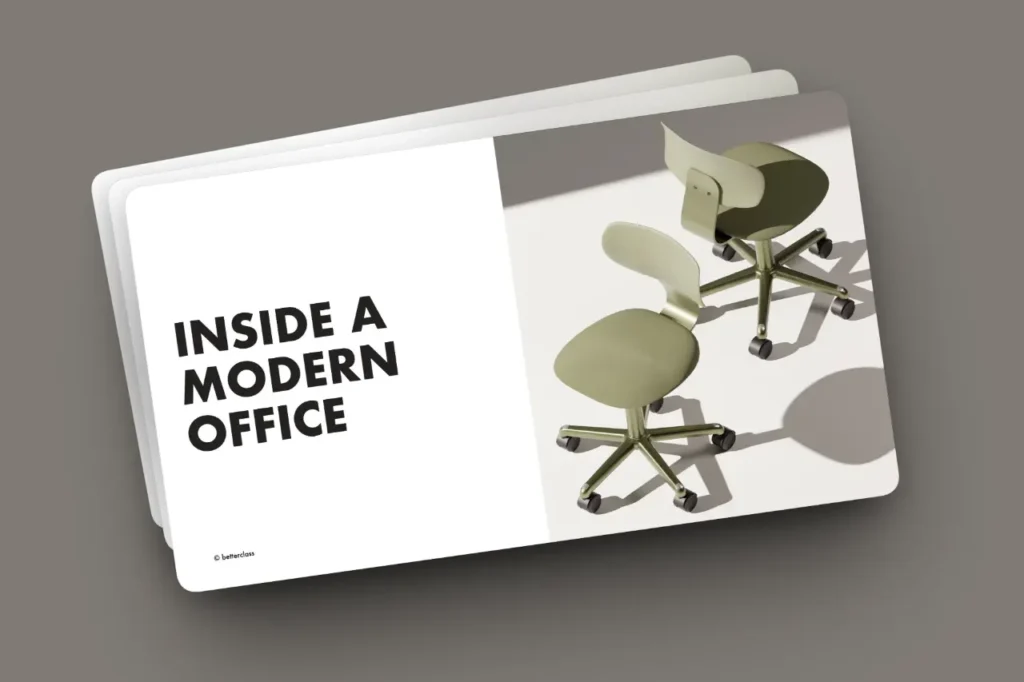
“Inside a Modern Office” – video-based ESL lesson plan for B1 students
B1 Level – Intermediate
1. What are the rules for politely sharing the refrigerator or microwave in the office kitchen?
2. How does the layout of the office affect communication between teams?
3. Should the government set standards for noise levels in open-plan offices?
4. What is the difference between a formal office and a casual office?
5. Do you believe that the physical office will disappear in the future?
6. What are the challenges of managing a team where some people are remote and others are in the office?
7. How does the feeling of being constantly watched affect productivity?
8. What is the idea of “hot-desking”?
9. Is it fair or unfair when some people are allowed to work from home and others are not?
10. How does a lack of natural light in an office affect employee mood?
11. What are the steps for properly setting up an ergonomic (comfortable) workspace?
12. What is the value of going into the office even if you can work from home?
13. Should public media criticize bad office management practices?
14. What are the reasons why some people prefer to work in a quiet cubicle?
15. How does the office atmosphere contribute to job satisfaction?
B2 Level – Upper-Intermediate
1. What are the social pressures to attend after-work office social events?
2. What are the moral problems when managers use surveillance software to monitor remote workers?
3. How does constant digital communication affect the spontaneous connection between co-workers?
4. Should companies be legally required to provide dedicated quiet zones for focused work?
5. Analyze the psychological effect of having no clear separation between home and work life (remote work).
6. Who is responsible for promoting a culture that discourages long working hours in the office?
7. What is your view on the practice of companies using open-plan offices to save money?
8. Evaluate the role of office design in attracting and retaining young talent.
9. How does the concept of “office politics” affect career advancement?
10. Discuss the concept of a “hybrid workplace” (mixing remote and office work).
11. What are the problems with having very different internet and technology access for remote employees?
12. What are the legal differences between a flexible work contract and a fixed-schedule contract?
13. Do you agree that the purpose of the modern office is mainly social interaction, not task completion?
14. What steps should be taken to ensure that remote workers feel included in company culture?
15. How does the focus on corporate branding affect the comfort of the office environment?
“Is Traditional Office Culture Dead?” – article-based ESL lesson plan for C1 students

C1 Level – Advanced
1. Is it fair that the cost of working from home (electricity, heating) is often paid by the employee?
2. What is the right way to think about a company’s moral duty to provide a healthy and inspiring workspace?
3. How do the platform’s algorithms influence the type of remote work opportunities that are advertised?
4. When should the government impose mandatory health checks for employees who work fully remote?
5. What are the moral questions when we talk about using psychological design principles to increase employee productivity?
6. How does the focus on quick office efficiency affect the long-term, necessary investment in employee well-being?
7. Discuss the impact of mass remote work on the commercial real estate market in city centers.
8. How should leaders use knowledge about office culture to promote a more innovative and collaborative environment?
9. What is the idea of “performance anxiety” in the context of open-plan offices?
10. What are the long-term effects on society when fewer people commute and interact in public transport?
11. What are the difficulties when courts try to decide if a work injury happened while working remotely?
12. How does the search for total personal comfort conflict with the need for team synergy?
13. Do you agree that the most important thing is the equal treatment of remote and in-office workers?
14. What are the simple moral rules a manager should follow when deciding who gets to work remotely?
15. Should the government set a legal minimum for the amount of natural light and ventilation in all office buildings?
C2 Level – Proficiency
1. What is the real difference between a person’s individual preference for work style and the company’s economic need?
2. Debate the idea: Should we completely eliminate the physical office in favor of total remote work?
3. How does the concept of “professionalism” change when the workplace is a person’s kitchen table?
4. What laws or rules are needed to control how companies use personal home cameras and microphones for monitoring?
5. How do historical views of factory labor affect modern expectations for office hours?
6. How can communities maintain social bonds when people’s work lives are completely separate from their geographic location?
7. Argue the point that humans should stop all attempts to control the work environment and allow employees total freedom.
8. What protection should laws give to employees who report a lack of healthy working conditions in a physical office?
9. How can we stop the problem of using the argument of “flexibility” to mask the expectation of being constantly available?
10. What did old thinkers say about public life, private life, and the separation of spheres that is still important today?
11. What will happen to the need for human managers if AI can perfectly track and optimize all employee productivity?
12. How do people use the idea of “work from anywhere” to avoid discussing the lack of a legal home base?
13. How does the experience of a major office redesign change a person’s feeling of ownership over their space?
14. What is the power of a collective movement to demand a permanent, four-day work week for office workers?
15. If scientists could create a perfect, silent, fully adjustable office cube for every person, how would that fundamentally change team dynamics?