A1 Level – Elementary
1. Have you heard of Sweden?
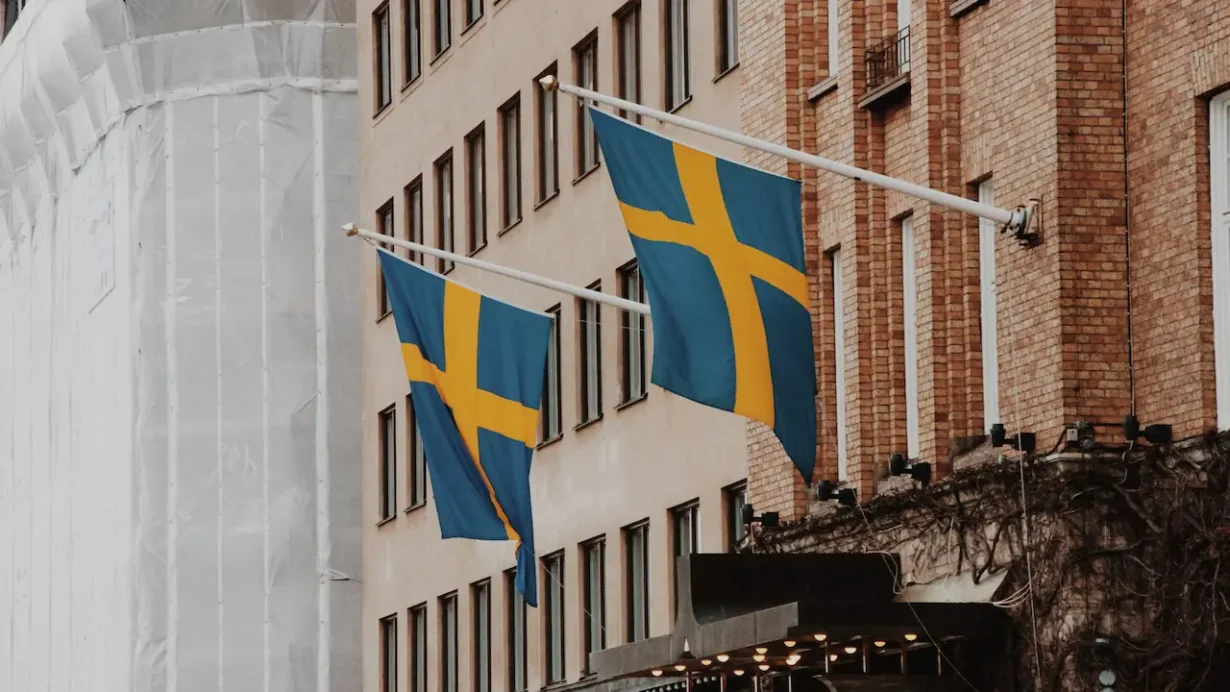
2. What color is the Swedish flag?
3. Do you know any famous Swedish companies (like IKEA or Volvo)?
4. Is Sweden a hot or cold country?
5. Do you like Swedish meatballs?
6. What is the capital of Sweden? (Stockholm)
7. Do people in Sweden speak English?
8. Would you like to visit Sweden?
9. Do you know the band ABBA?
10. What animals live in Sweden?
11. Do you know any Swedish words?
12. Is Sweden near your country?
13. Does Sweden have a king or queen?
14. What do you know about Vikings?
15. Do you play Minecraft? (It’s from Sweden)
A2 Level – Pre-Intermediate
1. What do you know about the geography of Sweden?
2. What is “fika”? (a coffee and cake break)
3. Why do you think Sweden is famous for design?
4. What do you think Swedish people are like?
5. Would you like to see the Northern Lights in Sweden?
6. What kind of food do you think people eat in Sweden?
7. What do you know about Swedish music?
8. Why are many Swedish people good at English?
9. What is the weather like in Sweden in winter?
10. What do you know about Stockholm?
11. Is Sweden a good country to live in? Why?
12. What are some famous Swedish brands?
13. Do you think you would like Swedish food?
14. What are some stereotypes about Sweden?
15. What sports are popular in Sweden?
B1 Level – Intermediate
1. What does the Swedish concept of “lagom” mean?
2. What are the pros and cons of living in a country with long, dark winters?
3. Why is Sweden known for its social welfare system?
4. What do you know about Sweden’s history, for example, the Vikings?
5. What is “fika” and why is it an important part of Swedish culture?
6. What do you think about Sweden’s environmental policies?
7. Why has Sweden produced so many successful pop musicians?
8. What is the “Allemansrätten” (freedom to roam)?
9. How is the Swedish government (monarchy and parliament) structured?
10. What are some major challenges facing Sweden today?
11. What is the role of family in Swedish culture?
12. Why do you think IKEA is so successful worldwide?
13. How does Sweden’s approach to work-life balance differ from your country?
14. What do you know about Swedish holidays, like Midsummer?
15. What are your impressions of Swedish cinema or literature?
B2 Level – Upper-Intermediate
1. What are the key features of the “Swedish Model” (welfare state)?
2. Discuss the concept of “lagom” (not too much, not too little) and its impact on Swedish society.
3. How has immigration changed Swedish society in recent decades?
4. Analyze Sweden’s long-standing policy of neutrality and its recent decision to join NATO.
5. What are the benefits and drawbacks of Sweden’s high taxes?
6. Why do you think Sweden consistently ranks high in global happiness and quality of life indexes?
7. What are the environmental challenges and successes in Sweden?
8. How does the Swedish education system compare to yours?
9. What is the “Jantelagen” (Law of Jante), and how does it influence Swedish culture?
10. Discuss the role of Sweden in the European Union.
11. How does Sweden promote gender equality?
12. What can other countries learn from Sweden’s approach to sustainability?
13. What are some common misconceptions about Sweden?
14. How does Sweden balance individualism with its strong collective welfare system?
15. What do you know about the indigenous Sami people of northern Sweden?
C1 Level – Advanced
1. Evaluate the sustainability of the Swedish welfare model in the face of modern challenges like aging populations and globalization.
2. How has Sweden’s “fika” culture contributed to workplace productivity and social cohesion?
3. Analyze the complexities of Sweden’s integration policies and the resulting social dynamics.
4. Critically examine the concept of “lagom.” Is it a recipe for contentment or a force for mediocrity?
5. Discuss the shift in Sweden’s foreign policy from neutrality to NATO membership. What are the long-term implications?
6. What are the philosophical underpinnings of “Allemansrätten” (freedom to roam) and its conflict with private property rights?
7. To what extent is the global perception of Sweden as a “utopia” accurate or misleading?
8. How has Sweden’s tech industry (e.g., Spotify, Klarna) become so globally influential?
9. Discuss the nuances of the “Swedish model” of consensus in politics and labor relations.
10. How does Swedish culture’s emphasis on trust (tillit) impact its institutions and society?
11. What are the ethical considerations of Sweden’s past eugenics programs?
12. Analyze the portrayal of Sweden in popular media (e.g., “Nordic noir” crime dramas).
13. How does Sweden’s commitment to gender equality manifest in its corporate and political structures?
14. Is the “Swedish model” transferable to other countries with different cultural or economic contexts?
15. Evaluate the effectiveness of Sweden’s criminal justice and rehabilitation system.
C2 Level – Proficiency
1. Deconstruct the “myth” of Swedish exceptionalism. How does it compare to the realities of its domestic and foreign policies?
2. To what extent has the “Law of Jante” (Jantelagen) been eroded by global individualism, and what are the consequences?
3. Analyze the inherent tensions between Sweden’s collectivist welfare state and the rise of neoliberal economic policies.
4. Debate the proposition: “Sweden’s historical neutrality was a pragmatic success, and its abandonment is a strategic error.”
5. How do the socioeconomic and cultural rights of the indigenous Sami people intersect with Sweden’s national identity and resource management?
6. Critically evaluate the global impact of Swedish “soft power,” from Pippi Longstocking to Greta Thunberg.
7. What are the long-term societal implications of Sweden’s move towards a completely cashless society?
8. Explore the philosophical and practical challenges of maintaining a high-trust society in an era of digital disinformation and social polarization.
9. How does the Swedish concept of “folkhemmet” (the people’s home) continue to influence contemporary political discourse?
10. What fundamental paradoxes exist within modern Swedish society (e.g., individualism vs. conformity, openness vs. segregation)?
11. Analyze the evolution of Swedish identity in the context of its pre-Viking, Viking, imperial, and post-war history.
12. Is the Swedish emphasis on consensus a strength that fosters stability or a weakness that stifles innovation and dissent?
13. How will climate change uniquely impact Sweden (e.g., the Arctic) and its role in global environmental leadership?
14. Deconstruct the cultural, economic, and political factors that led to the global dominance of Swedish music and tech startups.
15. What is the future of the “Swedish Model”? Can it survive the 21st century’s challenges?