A1 Level – Elementary
1. What is the weather today?
2. Do you like rain?
3. What do you wear in the snow?
4. Is it cold in your town?
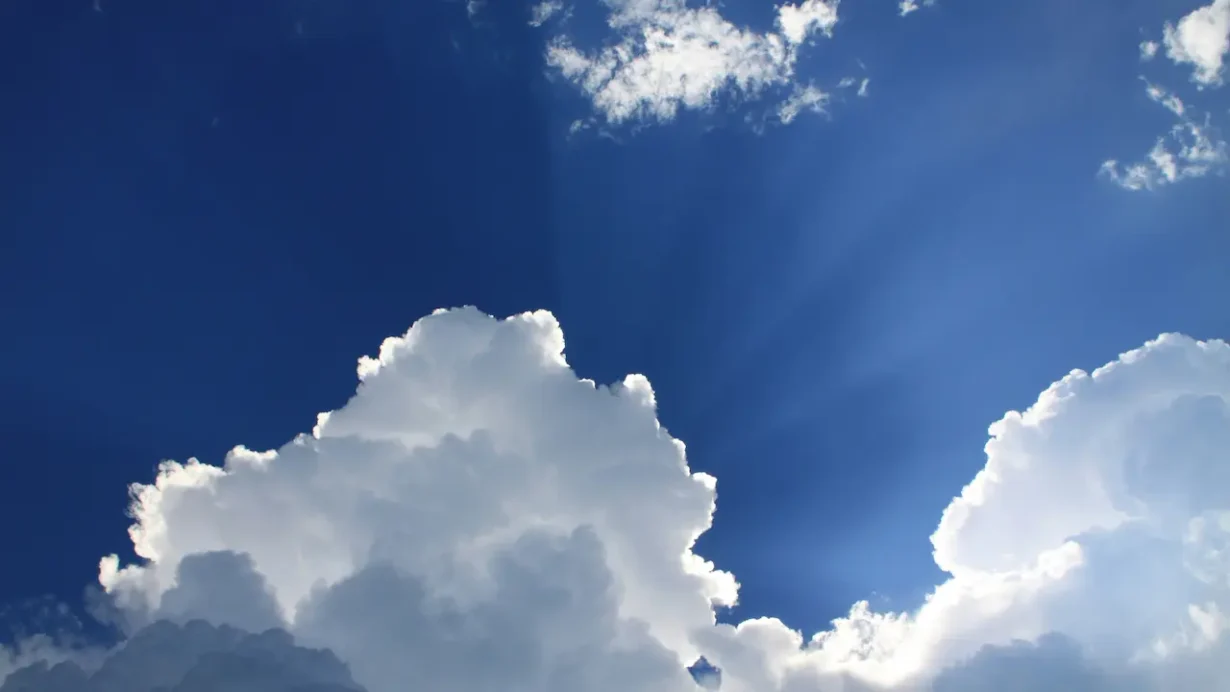
5. What color is the sky when it is sunny?
6. Do you watch the weather report?
7. What is a big storm?
8. Do you like hot summer days?
9. What is a cloud?
10. Do you use an umbrella?
11. What is the difference between sun and wind?
12. Can weather change quickly?
13. Do you feel happy when it is sunny?
14. What are three types of weather?
15. Do you like to go outside in the rain?
Start with small talk and end with real debate.
A2 Level – Pre-Intermediate
1. How does the weather change in your country throughout the year?
2. What is better for traveling, sunny weather or cool weather?
3. What are the good things and bad things about high winds?
4. How can people prepare for a very big storm?
5. Should weather forecasts be more reliable?
6. Why is it important to check the weather before you leave home?
7. Do you think the weather is changing because of global warming?
8. What is the purpose of a lightning rod on a building?
9. How does temperature affect what you choose to eat?
10. What is the difference between fog and mist?
11. Do you think weather affects your mood strongly?
12. What are the problems when it is very hot and dry?
13. When is the best time to visit your region for good weather?
14. What are two types of clothes for cold and warm weather?
15. How does weather affect sports activities?
B1 Level – Intermediate
1. What are the rules for driving safely when there is heavy rain or ice?
2. How do local businesses change their work because of the seasons?
3. Should the government spend more money on preparing for floods?
4. What is the difference between climate and weather?
5. Do you believe that technology can help control the weather in the future?
6. What makes some parts of your country prone to dangerous weather?
7. How does the weather influence the type of houses people build?
8. What is the idea of “microclimates” in cities?
9. Is it right or wrong to complain about the weather often?
10. How does a lack of rain over a long period affect farming?
11. What are the challenges of accurately predicting weather more than three days in advance?
12. What is the value of keeping historical records of the weather?
13. Should travelers always be prepared for unexpected weather changes?
14. What are the steps for staying safe during a heatwave?
15. How does the weather influence national festivals and traditions?
B2 Level – Upper-Intermediate
1. What are the social and economic problems that extreme weather causes in your city?
2. What are the moral difficulties when weather events damage poor communities more than rich ones?
3. How do media reports sometimes make weather events seem more dangerous than they really are?
4. Should city governments change the color of roads and roofs to keep the city cooler?
5. Analyze the psychological effect of living in an area that gets frequent tornadoes or hurricanes.
6. Who is responsible for paying for the damage caused by natural weather disasters?
7. What is your view on setting rules for how much water people can use during a drought?
8. Evaluate the role of insurance companies in calculating risks based on future weather forecasts.
9. How does the study of ancient climates (paleoclimatology) help us understand modern climate change?
10. Discuss the concept of the “urban heat island” effect and how it changes city temperatures.
11. What are the problems with relying too much on air conditioning to deal with increasing heat?
12. What are the legal differences between a natural disaster and human error in managing water?
13. Do you agree that the focus on bad weather makes people miss the beauty of normal weather?
14. What steps should global organizations take to help countries that suffer from weather-related poverty?
15. How does weather forecasting technology rely on international cooperation and data sharing?
C1 Level – Advanced
1. Is it fair that people in different countries have different levels of protection against extreme weather?
2. What is the right way to think about using technology to change the weather, such as cloud seeding?
3. How do changes in weather patterns influence the prices of global food and crops?
4. When should governments force people to move away from areas that are becoming too dangerous due to weather?
5. What are the moral questions when scientists decide to research weather in a way that might cause controversy?
6. How does the large cost of building weather defenses (like sea walls) affect other important parts of the government budget?
7. Discuss the impact of major, unexpected weather events on the stability of a nation’s energy supply?
8. How should leaders use complex weather data to plan for cities 50 years into the future?
9. What is the idea of “weather nationalism” and its influence on countries that want to control their own climate?
10. What are the long-term effects on society when communities lose their shared memory of local weather patterns?
11. What are the difficulties when lawyers try to blame a company for damage caused by extreme weather?
12. How does the need for immediate comfort conflict with the need to save energy for climate change goals?
13. Do you agree that the focus on predicting weather makes people forget to simply experience it?
14. What are the simple moral rules a person should follow when using common resources like water during a drought?
15. Should the military or government be in charge of all weather modification experiments?
C2 Level – Proficiency
1. What is the real difference between the feeling of being controlled by nature and the feeling of having to control nature?
2. Debate the idea: Is human technology now the most important factor in deciding the world’s weather?
3. How does constant information about future weather change the human ability to live in the present moment?
4. What laws or rules are needed to control the sharing of very accurate, highly localized weather data?
5. How do historical views of the weather (as divine or chaotic) still affect how modern people think about climate?
6. How can communities maintain their identity when their environment is permanently changed by extreme weather?
7. Argue the point that humans should stop all attempts to control the weather because the risks are too great.
8. What protection should laws give to people who lose their homes due to rising sea levels?
9. How can we stop the political problem where countries claim weather events are not real to avoid taking action?
10. What did old thinkers say about human vulnerability to the elements that is still important today?
11. What will happen to construction and farming jobs if machines and computers can predict local weather perfectly?
12. How do people use the idea of “unusual weather” to avoid talking about long-term climate problems?
13. How does facing extreme weather together lead to stronger community feeling and better social support?
14. What is the power of international agreements to make countries share the costs of weather disaster relief?
15. If scientists could create a perfect, stable climate everywhere on Earth, what would be the impact on art and literature?